April 21, 2026

Blog

EXPLORING THE LINK BETWEEN FATTY LIVER AND SIBO

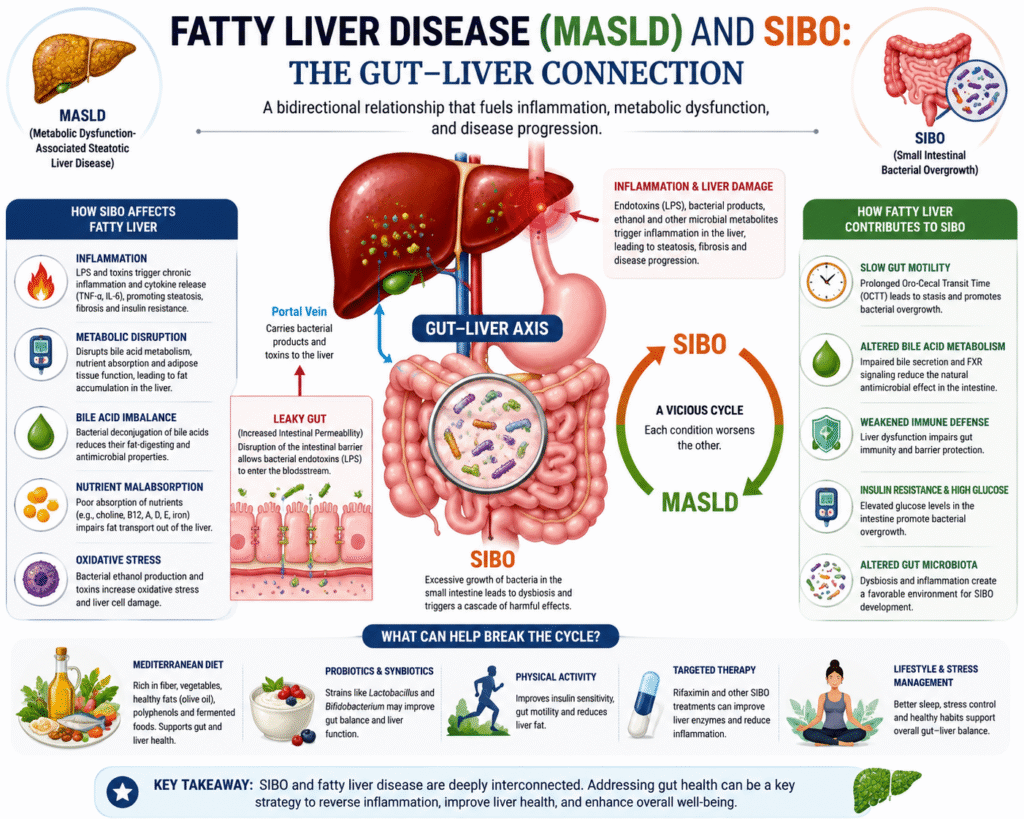
Fatty Liver Disease, MASLD, and SIBO Fatty liver disease, particularly Nonalcoholic Fatty Liver Disease (NAFLD), now known as Metabolic Dysfunction-Associated Steatotic Liver Disease (MASLD), has become a major global health concern. In recent years, MASLD has been the second leading cause of end-stage liver disease worldwide (28). Increasing evidence reveals a fascinating connection between NAFLD and gut health, specifically a condition known as Small Intestinal Bacterial Overgrowth (SIBO). The correlation between small intestinal bacterial overgrowth (SIBO) and nonalcoholic fatty liver disease (NAFLD) has gained heightened acknowledgment, especially in the late phases of liver disease. Today, we explore the scientific links between these two conditions and why understanding this relationship matters. Understanding The Gut-Liver Axis The gut epithelium is a natural barrier that selects entry of useful substances present in the lumen, as nutrients, and keeps at bay bacteria, their bio-products and other potentially harmful elements. Tight junctions, specialized intercellular structures, assist this control. Derangement of the homeostasis between bacteria and the host, as occurs in SIBO (enhanced amount and/or changes in the type of bacteria in the gastrointestinal tract), may cause disruption of the intercellular tight junctions and subsequent increase in intestinal permeability leading to bacterial translocation (BT), i.e., transportation of bacteria and bacterial products from the intestinal lumen into the blood (4). The portal vein and the hepatic artery supply blood to the liver. The portal blood contains products of digestion and microbial products derived from the gut microbiota. This blood is carried to the liver. Therefore, Liver is the first site of exposure and filtration that consists of microbial products from the gut, such as LPS, lipopeptides, unmethylated DNA, and double-stranded RNA, which may evoke inflammatory reaction contributing to the progression of the liver disorder (4). This bidirectional relationship of the gut ecosystem and liver is imperative both physiologically and pathologically. Generally, the liver receives rich nutrients, microbial metabolites, and subproducts from the intestine and secretes bile into the small intestine (5). An integrated gut barrier also protects against toxins to maintain internal homeostasis. This gut-liver axis is regulated and stabilized by a complex network of metabolic, immune, and neurosecretory interactions between the gut, microbiota, and liver. Disruption of this equilibrium may lead to gut dysbiosis and liver injury (5). SIBO as we know is the clinical manifestation of gut microbial dysbiosis. Therefore, the bidirectional relationship between Small Intestinal bacterial overgrowth (SIBO) and fatty liver disease, particularly non-alcoholic fatty liver disease (NAFLD), is characterized by mutual influences through gut-liver axis dysfunction, inflammation, and metabolic disturbances. Association between SIBO and Fatty Liver Small intestinal bacterial overgrowth (SIBO) is a condition marked by excessive growth of microbes in the small intestine, resulting in various digestive issues including bloating, satiety, and malabsorption. In healthy people, the small bowel has a relatively low bacterial concentration, around 103–104 colony-forming units per milliliter (CFU/mL) (1,6). However, when this balance is disrupted, bacteria from the colon or oral cavity can colonize the small intestine, resulting in SIBO. Factors contributing to this condition include reduced gastric acid production, impaired intestinal motility, insufficient production of bile and dysfunction of the ileocecal valve (1,7). It may present in a range of symptoms, from moderate pain to severe nutritional deficiencies, weight loss, and shortages in crucial minerals and vitamins, including vit B12, A, D, E, iron, choline, calcium, fats, carbohydrates, protein and bile salt deconjugation (1,8). However, it has been shown that intestinal dysbiosis, endotoxemia (bacterial toxins in blood) and bacterial translocation may contribute to inflammation and Insulin Resistance (3,9,10,11,12). This directly seems to disrupt the functioning of the gut–liver axis, which may influence the incidence and progression of NAFLD (3,13). Non-alcoholic fatty liver Disease is the most frequent cause of chronic liver sickness globally, with a spectrum spanning from simple steatosis to inflammation of the hepatocytes, fibrosis, cirrhosis, and even hepatocellular carcinoma (1,14). The link between SIBO and nonalcoholic fatty liver disease (NAFLD) has attracted increased attention since studies show that the gut-liver axis plays a significant role in the pathophysiology of steatosis liver disease (1,15). The transfer of bacterial metabolites from the stomach to the liver may promote scarring and inflammation, thereby aggravating liver damage (1,16). How SIBO affects Fatty Liver? How Fatty Liver may contribute to SIBO? A growing body of evidence suggests that “altered gut microbiota” may be involved in the pathogenesis of NAFLD, via several factors (3,22,23): This bidirectional interaction exacerbates metabolic disturbances and inflammation, forming a vicious cycle contributing to disease severity as shown in the figure below (picture taken from reference 3): This picture depicts the possible SIBO and NAFLD interactions. OCTT—oro-ceacal transit time; BA—bile acids; FXR—farnesoid X receptor. Discussed below are some Clinical Studies that found a high prevalence of SIBO in NAFLD, while NAFLD increases the risk of developing SIBO. Clinical Study 1 – A cross-sectional study (1) was done to investigate the prevalence and characteristics of SIBO in patients with fatty liver disease in a tertiary healthcare facility in Karachi located in Pakistan. This study included 65 adults aged 18–80 diagnosed with NAFLD via FibroScan® and the evaluation of SIBO was established by a glucose hydrogen breath test (GHBT). The research was conducted from July 2023 to March 2024 at Ziauddin Medical University Hospital’s Clifton Campus. Results: Of the 65 individuals, 46 were male, with an average age of 44.88 ± 12.30 years, a mean index of body mass of 26.45 ± 6.45 kg/m², and an average waist measurement of 95.20 ± 15.17 cm. Lean NAFLD was observed in 40% of the participants with frequent comorbidities included – diabetes (40%), hypertension (38%), and dyslipidemia (38%).  Small intestinal bacterial overgrowth was identified in 37% of the subjects, 28% of whom were asymptomatic. Symptoms prevalent in SIBO-positive individuals were bloating (41%), belching (26%), and abdominal pain (28%). Liver stiffness indicated that 23% had F2 fibrosis, 28% had F3, and 49% had F4. Controlled attenuation parameter (CAP) scores showed S1 steatosis in 37% of patients, S2 in 29%, and S3 in 34%. The presence of SIBO correlated with increasing fibrosis and steatosis

Blog

OIL PULLING – Benefits and How to Oil Pull?

It is a common belief that oral health serves as a gateway to general health. This implies that oral health significantly impacts the general health and wellbeing of an individual. Dental diseases have detrimental effects on the functionality and quality of life of individuals. In addition, a strong relationship has been established between various oral and systemic diseases. In fact, the prevention and treatment of dental caries and periodontal disease have been shown to reduce the risk of diabetes and heart disease significantly. The use of oil pulling can be frequently found in ancient medical text and is supported by recent studies for its efficacy and long-term use for maintaining and improving oral health. The oral cavity serves as a focal point of entry for pathogens into the systemic circulation. While the host immune system of a healthy individual prevents the body from virulent microorganisms, a breach in the physical barriers in the oral cavity may provide access to into the systemic circulation. Similarly, a lack of oral hygiene allows an increase in virulent microbial colonization of the oral biofilm. Therefore, mechanical and chemical means of controlling the quantity and quality (virulence) of the oral biofilm is important in preventing systemic diseases and particularly periodontal diseases such as gingivitis and periodontitis (1). Oil is pulling or oil swishing is the ayurvedic way of maintaining oral health and improving overall immune system. Oil pulling also acts as an excellent detoxifying agent in healing the body inside. It is a widely accepted fact that most of the diseases start because of the unhealthy mouth. Most of the chronic illness are directly related to an unhealthy mouth like gum disease or tooth decay. As per Ayurveda – Oil pulling is incredibly effective in brightening teeth, healing gums, preventing bad breath, quenching inflammation, and healing oral infections. For example – Brushing is contra indicated in the cases of mouth ulcer, fever, indigestion, those who have tendency to vomit, asthma, cough, thirst. Oil pulling can be used to clean the oral cavity in all these cases (2). Gundusha and Kavala Graha are two primary oral cleansing techniques used in Ayurveda; as a specialized therapy to treat as well as to prevent oral diseases. Gundusha involves filling the mouth completely with fluid so that gargling is impossible. In Gundush, the oral cavity is filled completely with liquid medicine, held for about 3-5 minutes, and then released. In Kavala Graha, a comfortable amount of fluid is retained with the mouth closed for about 3 minutes and then gargled. It is a simple rejuvenating treatment, which, when done routinely, enhances the senses, maintains clarity, brings about a feeling of freshness, and invigorates the mind. These oral cleansing techniques can also benefit bad breath, dry face, dull senses, exhaustion, anorexia, loss of taste, impaired vision, sore throat, and all kapha related imbalances (9). This article – highlights the importance of incorporating oil pulling as a component of daily oral hygiene which can significantly improve oral and general health. What is Oil Pulling? Oil pulling, in CAM (Complementary and Alternative Medicine), is a technique that involves vigorous swishing of oil in the mouth, to achieve oral and systemic health benefits, like the modern-day use of mouthwashes and oral rinses. It is a powerful detoxifying Ayurvedic technique that has recently become very popular as a CAM remedy for many different health ailments. In the Ayurvedic text “Charaka Samhita,” it is mentioned as Kavala or Gundusha and is claimed to cure about 30 systemic diseases ranging from headache, migraine to diabetes and asthma (1). It has been used for centuries for the treatment and prevention of various oral and systemic diseases, using edible oils derived from either sunflower, sesame, or coconut. Oil pulling has been used extensively as a traditional Indian folk remedy for many years to prevent tooth decay, oral malodor (bad breath), bleeding gums, dryness of throat, cracked lips and for strengthening teeth, gums and the jaw (1). In addition to brushing your teeth, flossing, and scraping your tongue, oil pulling with sesame or coconut oil is a safe and effective bonus to a healthy oral hygiene routine. It helps in rebalancing oral microbiome and improving oral and dental health. Ayurveda advises oil gargling to purify the entire system; as it holds that each section of the tongue is connected to different organ such as to the kidneys, lungs, liver, heart, small intestines, stomach, colon, and spine, similarly to reflexology and TCM (9). Scientific evidence suggests that oil pulling therapy may reduce the total oral bacterial count and reduce plaque and gingival scores. Furthermore, it has also shown to diminish the susceptibility to dental caries from marked to slight or moderate level (1). How does Oil Pulling work? (Mechanism of action) Both Western medicine and Ayurveda use the tongue as an important diagnostic tool, indicating that a healthy mouth and a healthy tongue are interrelated with the health of the entire body. Thus, supporting our oral hygiene is a benefit for both our dental and general health (3). In fact, our mouths host over 600 different species of bacteria that populate the teeth, tongue, soft tissues of the cheeks and palates, and our tonsils. The oral cavity further adjoins the esophagus, nasal passages, sinuses, and the intricate ear cavities. You can see why bacteria in the mouth is a big deal! (3) Many of these bacteria are necessary for a healthy oral microbiome, but some, such as Streptococcus mutans, can cause problems if left unchecked—tooth decay, bad breath, gingivitis, and strep throat, to name a few. Poor oral hygiene can allow harmful bacteria to flourish, leading to various oral health issues (1, 3). Bacteria are single-celled organisms, enclosed by a lipid membrane. These bacteria in the mouth are attracted to the lipid structure of the oil, pulled from the oral tissue by adhering to the fat molecules of the oil, then flushed away through the act of swishing oil and spitting it out. This process helps in reducing harmful

Blog

LEAKY GUT SYNDROME – Causes, Symptoms, Disease links and Tips to Heal

The human body is in daily contact with potentially toxic and infectious substances in the gastrointestinal tract (GIT). The GIT protects the intestinal integrity by allowing the passage of beneficial agents and blocking the path of harmful substances. Under normal conditions, a healthy intestinal barrier (gut lining) prevents toxic elements from entering the blood stream. However, factors such as stress, an unhealthy diet, excessive alcohol, antibiotics, and drug consumption can disturb the composition of the intestinal microbiota (gut flora) and homeostasis of the intestinal barrier of the intestine, leading to increased intestinal permeability. The Intestinal Hy-permeability can allow the entry of harmful agents through the junctions of the intestinal epithelium, to leak into the blood stream and affect various organs and systems and is known as LEAKY GUT SYNDROME (LGS)! An increase in intestinal permeability is a sign of a disturbed intestinal barrier (2). According to the leaky gut syndrome (LGS) hypothesis, intestinal hyperpermeability may allow the entry of harmful microorganisms, toxins, or undigested food particles through the junctions of the intestinal epithelium, reaching the bloodstream and being able to affect the hormonal, immune, nervous, respiratory or reproductive systems (3). Thus, dysfunction of the intestinal epithelial barrier and increased permeability results in a “leaky gut” that is associated with intestinal disorders such as inflammatory bowel disease (IBD), irritable bowel syndrome (IBS), alcoholic liver disease (ALD), nonalcoholic fatty liver disease (NAFLD), steatohepatitis, liver cirrhosis, and collagen diseases (1). Leaky gut syndrome is also associated with extra-intestinal diseases (diseases that are not related to intestinal disorders) such as heart diseases, obesity, type 1 diabetes mellitus, and celiac disease (1). Thus, the mucosal barrier is crucial to protect the body from exogenous harmful biological and chemical agents, such as microorganisms and environmental pollutants. The function of gastrointestinal epithelial barrier is to protect against the entry of foreign antigens and microorganisms, while allowing the absorption of essential nutrients, water and electrolytes (1,57). The intestinal barrier consists of four components: microbial barrier, biochemical barrier, physical barrier and immune barrier (1,57). The microbial barrier is the intestinal microbiota, located in the lumen of an intestine. The microbiota produces many metabolically active compounds that show antimicrobial activity and affect the function of the entire intestinal barrier. Commensal bacteria digest certain food components and also compete with pathogens for nutrients (1,57). The biochemical barrier is mucus, which contains about 98% water (1) and, among others, mucins, glycoproteins, IgA antibodies, antimicrobial substances, produced by microorganisms—bacteria, viruses, fungi and intestinal cells. Mucus coats epithelial cells and protects them from the harmful effects of pathogenic microorganisms and toxic substances (57). The physical (epithelial) barrier is an essential component of the entire intestinal barrier. It consists of a single layer of specialized cells: enterocytes, goblet cells (produce mucins), Paneth cells (produce antimicrobial peptides and proteins), enteroendocrine cells, M cells and intestinal stem cells. These cells undergo renewal every 3–5 days. Epithelial cells have a variety of functions and are closely interconnected (1,57). The immune barrier is associated with the presence of lymphoid tissue in the intestines known as gut-associated lymphoid tissue (GALT). The GALT system is located in the mucosa and submucosa of the intestines, directly beneath the epithelial cells. This system consists of intraepithelial lymphocytes (IELs), Peyer’s patches, which are clustered lymphoid papules, and lymphocyte clusters. The GALT system has also been found to contain antigen-presenting cells (APCs), T lymphocytes, B lymphocytes, plasma cells, as well as macrophages, mast cells and dendritic cells (DC). The secretory IgA antibody (sIgA) is synthesized in the intestine in particular (1,57). This picture is taken from reference 1 This picture is taken from reference 57 The intestinal barrier is a selective barrier—its function is to allow the transport of digested food essential for the body’s function, but at the same time to keep harmful substances and microorganisms in the intestinal lumen, which requires strict regulation of the barrier’s permeability (1,57). This transport is regulated by tight junctions (TJ) (1,57). The TJ between enterocytes play a key role in providing an intestinal barrier. These junctions are composed of proteins, including occludin, claudin and junctional adhesion molecules (JAMs) and peripheral proteins known as zonula occludens (ZO-1, ZO-2, ZO-3), which bind to actin filaments (1). The primary role of zonulin is to dynamically open and close tight junctions between epithelial cells, thereby regulating paracellular permeability. When zonulin is released and its pathway is activated, it triggers intracellular signaling (including protein kinase C and cytoskeleton rearrangement) that leads to reversible disassembly of tight junction proteins such as ZO-1 and occludin. Increased zonulin production has been observed under the presence of certain bacteria and food components, such as gliadin peptides found in gluten. Excessive release of zonulin results in weakening of TJ and consequent passage of antigens into the vicinity of immune cells and into the circulatory system. As a result, local inflammation develops and activated immune cells and cytokines can affect other organs or trigger immune-related diseases, e.g., autoimmunity (58). Elevated zonulin levels and increased permeability have been associated with several chronic inflammatory and autoimmune conditions, including celiac disease, type 1 diabetes, inflammatory bowel disease, and some neuroinflammatory and neurodegenerative disorders (59). Because of its strong association with barrier dysfunction, zonulin is being explored as a biomarker of impaired gut barrier function in various autoimmune and chronic inflammatory diseases. Pollution and climate change, chemical compounds commonly used in industry and households, ecosystem changes, unhealthy diet, and stimulants, mainly alcohol, tobacco and e-cigarettes, may disrupt the epithelial barriers of the skin and mucosal surfaces. Air, water and food pollution, microplastic particles, nanoparticles, household chemicals and tobacco smoke are the most common epithelial barrier disrupting factors (57). Therefore, pathogenesis of inflammatory bowel and leaky gut diseases is associated with multifactorial causes as discussed below. Gut Microbiome and Leaky Gut The gut has more than 100 trillion bacteria (4), with an aggregate biomass of approximately 1.5 kg (5) composed of more than 200 microbial strains in an individual and more than 90% of the dominant bacterial species belonging to the phylum

Blog

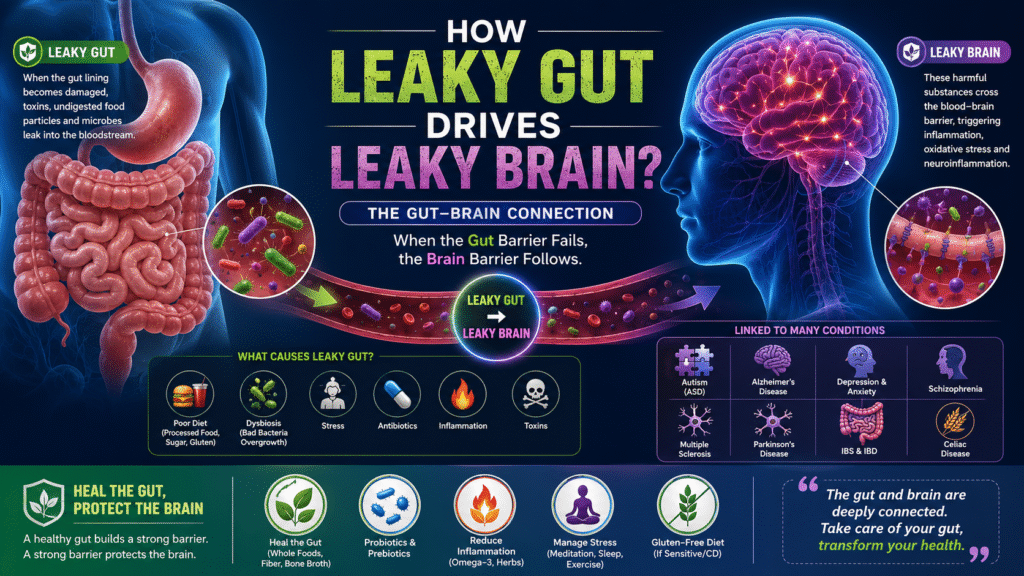
How Leaky Gut Drives Leaky Brain?

This article focuses on the possible neuropsychological basis of leaky gut; leaky brain disease; and the microbiota’s contribution to inflammation, gastrointestinal, and blood-brain barrier (BBB) integrity. As already indicated, in my other article titled as “leaky gut syndrome,” various diseases have been related to dysbiosis of the intestinal microbiota, microbial translocation, and dysfunction of the intestine’s barrier function. Among them, we can highlight IBS, IBD, Obesity, Chronic Heart Failure, Autism, Alzheimer’s Disease, Cancer, Diabetes, and Autoimmune Diseases like Type 1 Diabetes and Celiac Disease (1). Critical to any discussion on leaky barrier systems are pathogens, which, unlike commensals, have evolved elaborated mechanisms to target host barrier integrity and disseminate systemically to invade deeper tissues and organs. This pathogen gains entry into the blood stream by acting through type IV pili on bacterial surfaces, interacting with molecules on endothelial cells to disrupt the tight junctions and occasionally escape the mucosal barrier to enter the bloodstream and pass into the meninges of the brain and its surrounding membranes to cause disease and breach the blood–brain barrier (BBB) (1,4). To understand a possible connection between leaky gut and possible leaky brain, let’s examine the barriers involved in physiological conditions. Vital organs and biologic systems have developed barriers to host’s tissues from infection. The notable barriers are the blood brain barrier (BBB), gastrointestinal blood barrier (GBB), blood ocular and blood retinal barriers, blood placenta and blood testis barriers, the blood thymus barrier, and the blood–lung or airway barrier. Each of these barriers protects vulnerable and sensitive organs and systems (1). A key component for the brain is the neurovasculature, which limits blood brain barrier (BBB) permeability and prevents transport of large molecules, many small molecules, and bacteria from entering the brain. Inflammation disrupts BBB and appears to be central to brain and blood brain barrier (BBB) involvement (1). Many diseases and physiological stressors that affect the Central Nervous System (CNS) also alter the functional integrity of the BBB (9,10). They affect the barrier’s ability to selectively restrict passage of substances from the blood to the brain. To add to this, hypoxia (lack of oxygen supply) and/or inflammation and inflammatory process alter the permeability properties and contribute to the pathophysiology of CNS diseases, leading to altered delivery of therapeutic agents to the brain (5). Selective permeability is important and accomplished through tight junctions, composed of endothelial cells and smaller subunits anchored into the endothelium together with transmembrane proteins, such as junctional adhesion molecule, occludins, adherens, and claudins, for example. The junctional proteins in the brain are like those of the small intestine (1). Tight junctions help protect the brain from toxins, chemicals, and pathogens that might be circulating in the bloodstream. Together with selective transport proteins, the barriers allow nutrients, oxygen, amino acids, some drugs, and glucose to enter the cerebrospinal fluid and prevent hydrophobic molecules from passing into the interfaces of blood–cerebrospinal fluid barriers, namely CSF and choroid plexus. At the same time, it allows the diffusion of many small polar molecules, dissolved gasses, hormones, and hydrophilic molecules (1). In the gut, the barrier between the body and a lumenal environment is formed by gastrointestinal mucosa, buffering nutrients, microorganisms, and toxins. The barriers are semipermeable, thus allowing efficient transport of nutrients across the epithelium, while excluding entry of potentially harmful small molecules and organisms. The exclusionary properties of the gastric and intestinal mucosa are referred to as the gastrointestinal blood barrier (GBB) (1,6). As the barriers share common proteins and features, there is no doubt they may be susceptible to similar mechanisms of compromise or breach, either biochemically or physically. This fact underlies one basis for a plausible LEAKY GUT LEAKY BRAIN SYNDROME. A functional blood–brain barrier is essential to maintaining central nervous system (CNS) homeostasis. BBB weakening may be a result of a disturbance in the endothelial cells due to P-glycoprotein dysfunction (7). If toxins or microorganisms breach the epithelium, they have unrestricted access to the systemic circulation. In the brain, this can occur with disruption of endothelial cells and astrocytes and involve inflammation (8). In the gut, the alimentary canal is lined by epithelial cells that form the mucosa and, with few exceptions, the gastrointestinal epithelium is tied contiguously through tight junctions, where diversity among epithelial cells affect specific barrier functions. When the Gut-Blood-Barrier (GBB) is breached, there are differences in localization of bacterial species. When a breach occurs, commensal bacteria deposit in the lymphatics and are not found in the blood stream, but species like Salmonella, which by definition are pathogenic – can establish infections in the blood, liver, or other organs. We have evolved with commensals and not pathogens through colonization resistance and other mechanisms, which is one reason why commensal bacteria end up in the nearby lymph nodes and are not found in distal organs despite being proximal to the epithelial linings. Other stressors, such as glycoxidative stress (AGEs), diabetes, prolonged hyperglycemia, and obesity, are risk factors for gut–blood barrier disruption. To resolve these processes, restoration of epithelium (repair of gut lining) must happen, which can be rapid and is accomplished by a process called restitution. Advanced glycation end-products (AGEs) and crosslinking in diabetic complications and with aging may also be a mechanism for barrier protein damage with advanced age (11) and could be mediated through glycotoxins from food. Google definition of Glycotoxins – are compounds, most commonly Advanced Glycation End-products (AGEs), that form when sugars react with proteins or fats. High levels of glycotoxins are linked to oxidative stress, inflammation, and chronic diseases like diabetes, heart disease, and Alzheimer’s. Brain Disorders and Gut Microbiota A dysfunction of the blood brain barrier leading to a ‘leaky brain’ can be linked to various neurological diseases, including autistic spectrum disorder (ASD) (12), dementia, Alzheimer’s disease, depression, and schizophrenia (20,13) A breakdown in the blood brain barrier was observed in patients with major psychiatric illnesses (14) indicating that the blood–brain barrier may become ‘leaky’ in select neurological diseases that have an immunologic component, such as multiple sclerosis (MS) (15,16), Alzheimer’s disease,

Blog

Exploring the Link Between Candida Overgrowth and Fatty Liver Disease

What is a Fatty Liver Disease? Fatty liver disease, particularly Nonalcoholic Fatty Liver Disease (NAFLD), is a widespread metabolic condition impacting millions worldwide. Emerging research highlights not only the role of bacteria but also fungi, especially Candida species, in influencing liver health. This blog explores how Candida overgrowth may be linked to fatty liver and what it means for your health. Note – NAFLD is now called MASLD (Metabolic Dysfunction Associated Steatotic Liver Disease) as it is linked to metabolic issues like obesity, diabetes, and high cholesterol, characterized by fat buildup in the liver. What is Candida Overgrowth? Candida is a type of yeast that naturally lives in the gut, mouth, and other parts of the body. Under normal conditions, it coexists peacefully with the body’s microbial community. However, when Candida grows excessively—a condition known as Candida overgrowth—it can disrupt gut balance, potentially leading to digestive issues, immune dysfunction, and increased intestinal permeability (leaky gut). Interactions between intestinal fungal community (aka. mycobiome) and liver are anatomically and functionally bidirectional as explained below: Candida’s role in Fatty Liver Pathology Candida overgrowth is linked to fatty liver disease – alcoholic fatty liver disease -ALD (5) and non-alcoholic fatty liver disease – NAFLD (1) through mechanisms involving inflammation and immune response triggered by fungal components. A study (5) observed that alcohol-dependent patients displayed reduced intestinal fungal diversity and Candida overgrowth. Compared with healthy individuals and patients with non–alcohol-related cirrhosis, alcoholic cirrhosis patients had increased systemic exposure and immune response to mycobiota (1). Candida albicans and other fungi are found enriched in the gut microbiota of people with NAFLD, especially those with inflammation and advanced fibrosis (1). Inflammation is known to play a major role in the progression of NAFLD and NASH. Liver immune cells when exposed to fungal antigens and fungi derived metabolites elicit anti-inflammatory cytokines and chemokines, some of which can lead to liver damage (1,2). The fungal cell wall polysaccharide β-glucan can induce chronic liver inflammation by continuously activating the cellular inflammasome pathway leading to hepatocyte (liver cells) damage (1,5). Even though the association is evident, researchers caution that Candida may not directly cause fatty liver but that both conditions share overlapping mechanisms of gut barrier dysfunction and immune dysregulation as explained below: Clinically, many individuals with recurrent candida infections or overgrowth also have fatty liver issues, suggesting that candida-related gut dysbiosis and leaky gut can impair liver function and the immune system. Candida may also activate NF-kB-mediated inflammatory pathways affecting insulin resistance and lipid metabolism, which are key drivers in NAFLD development. Research also shows increased systemic antibodies against Candida in patients with advanced fatty liver fibrosis. In this regard, Demir et al. examined the anti-C. albicans IgG antibodies in plasma samples of NAFLD and controls and found significantly higher IgG levels in NAFLD patients with advanced liver fibrosis. The authors assume that this probably indicates increased immune response to Candida albicans either due to the increased abundance of intestinal C. albicans or the relatively more frequent systemic exposure to C. Albicans (1,7). Chronic consumption of alcohol (ethanol) increases the fungal population and causes dysbiosis of the mycobiota in the intestine (right). The fungal dysbiosis results in higher amounts of β-glucan translocating across a damaged gut barrier to the liver (left). Increased β-glucan binds to CLEC7A on hepatic Kupffer cells and induces the expression and secretion of IL-1β. This cytokine contributes to ethanol-induced liver inflammation, hepatocyte injury, and steatosis. (Picture taken from reference 5) Association of Intestinal Fungi and Alcoholic liver disease (ALD) Chronic alcohol consumption is a well-known factor of increased intestinal permeability, and changes in the intestinal microbiota composition which may contribute to the development of alcohol related liver disease. Liver acts as a metabolic site for alcohol, when the body excessively consumes alcohol for a long time and exceeds the metabolic load of the liver, it can cause liver damage through multiple routes, and constantly develop into alcoholic fatty liver, alcoholic hepatitis, alcoholic cirrhosis and even liver cancer (9,10,11).  In ALD, increased ethanol and its metabolite acetaldehyde in the intestinal lumen cause weakening of intestinal tight junctions. Consequently, increased translocation of microbial-associated molecular patterns (MAMPs) and gut metabolites, such as acetaldehyde, acetate, elicits intestinal and hepatic inflammatory responses, leading to progressive liver damage (9,10,11). Alcoholic liver disease has already been linked to a decrease in fungal diversity along with Candida overgrowth independent of stages of ALD (5). In line with this study, Demir et al. have shown that NAFLD patients with advanced liver disease were mainly characterized by increased Mucor spp., whereas patients with advanced ALD fibrosis were characterized by increased Blumeria, Candida and Debaryomyces spp., indicating that specific changes in fecal mycobiome could be attributed to different liver disease (ALD or NAFLD) etiologies (7). Based on a mature mouse model of ALD, Yang et al. have already suggested that the main pathogenic mechanism for mycobiota associated progression of liver disease may be an increase in intestinal fungal populations, suggesting that manipulation of the intestinal mycobiome could attenuate alcohol related liver disease (ALD) (9,5). • Clinical Study 1 – (from reference 6) Candidalysin (6) is a fungal exotoxin secreted by Candida albicans. Candidalysin causes direct damage to liver cells (hepatocytes) and enhances ethanol-induced liver disease; independent of the β-glucan receptor CLEC7A on bone-marrow derived cells in mice. A study by Chu H et al. (6) evaluated the contributions of Candida albicans and its exotoxin Candidalysin on ethanol induced-liver disease in mice. The data indicated that Candidalysin does not increase intestinal permeability or intestinal epithelial cell damage in mice fed ethanol. It’s the chronic ethanol diet that is associated with increased intestinal permeability (6,8). Thus, most likely Candidalysin produced in the intestinal lumen reaches the liver via increased intestinal permeability and exerts its effects on the liver. This study also confirmed that Candidalysin positive C. albicans could increase liver injury, steatosis and inflammation in mice fed ethanol diet, but this injurious effect is absent in mice fed control diet. (ref). Thus, indicating a direct role of Candidalysin on ethanol-induced liver disease and its association with higher mortality

Blog

Biofilm Formation and Gastrointestinal Disorders

As per the reports of the National Institute of Health (NIH), about 80% of human infections affecting the gastrointestinal, genitourinary (UTIs), respiratory systems, oral mucosa and teeth, eyes, middle ear and skin are caused due to BIOFILM FORMATION by biofilm-associated microorganisms. The ability to form biofilms is a universal attribute of bacteria, and biofilms play a role in several infections including – infection of indwelling medical devices, wound infections, bacterial carditis (heart-infection), otitis media (middle ear infection), dental carries, and lung infections of cystic fibrosis patients (13). Gut microbiota dysbiosis, mucus disruption, and epithelial invasion are associated with pathogenic biofilms that have been linked to gastrointestinal disorders such as irritable bowel syndrome (IBS), Inflammatory Bowel Diseases (IBD), gastric cancer, and colorectal cancer (2). Intestinal biofilms are highly prevalent in ulcerative colitis and irritable bowel syndrome (IBS) patients, and most endoscopists have observed such biofilms during colonoscopy, in the gastrointestinal environment (GI tract) (2). IBS and IBD are the two most frequent GI disorders, together affecting >10% of the Western population. A recent clinical study revealed endoscopically visible mucosal biofilms in 57% of IBS, 34% of ulcerative colitis (UC), and 22% of Crohn’s disease (CD) patients (6% healthy; 976 patients in Austrian cohort and 450 in German cohort) (2,12). Biofilm-positive UC and IBS patients had an altered microbiome compared with biofilm-negative individuals, a finding independent of disease state (2.12). Antibiotics and food additives might contribute to the reduced microbial diversity and biofilm formation, and it is plausible that food industrialization is linked to biofilm formation frequency, aligning with the higher prevalence of IBS and IBD observed in Western populations (2). What are Gastrointestinal Biofilms? Gastrointestinal biofilms are matrix-enclosed, highly heterogenic and spatially organized polymicrobial communities that can cover large areas in the gastrointestinal tract. The human gastrointestinal (GI) tract is the alimentary canal extending from the mouth to the anus and is the most densely inhabited environment of the human body. The GI tract harbors a profusion of microorganisms with different lifestyles called the gut microbiota, accounting for around 30% of the human microbiome. Along the GI tract, bacterial density increases, with the highest density in the colon (109–1011 bacteria/mL). The interplay of bacteria with the environment and the host affects the microbiota’s phenotypical occurrence and composition. Many gut microbes live as free-floating cells in the lumen, whereas others adapt higher-ordered structures termed biofilms (2,3,4,5) (as shown in the picture). This picture illustrates – How Bacteria adopt different lifestyles in their natural habitats from single planktonic cells to biofilm communities. (Ref 2) The mucus layer predominantly comprises dynamic mucin glycoprotein sheets coating the epithelial surface, forming the main barrier between the intestinal epithelium and luminal content (2,6). It effectively protects the host from digestive enzymes, acids, microbial by-products, food-associated toxins, pathogens, and microbial infiltration, preventing infection and inflammation (2,6,7). A compromised mucus layer or defects in mucus production can facilitate bacterial colonization and mucosal biofilm formation (2,6,8). Biofilm formation on the outer mucus layer can lead to mucosal invasion and bring bacteria close to the epithelium, an event that is disease-associated (9,10). Polymicrobial biofilms naturally grow throughout the gastrointestinal tract, both at the epithelial surface and in the lumen as mucin-attached and food particle-attached colonies. In simple words – A biofilm is a complex multi-cultural community of microorganisms, such as bacteria, fungi, or algae, that stick to each other and often adhere to a surface within a slimy, self-produced matrix known as the extracellular polymeric substance (EPS) or “slime.” This matrix, made up of sugars, proteins, lipids, and DNA, protects the microbes and helps them survive in harsh conditions by providing a shield against antibiotics, disinfectants, and the host immune system. How does Biofilm Formation Happen? Let’s liken the multispecies bacterial biofilm to a city – where bacteria settle selectively, limit settlements of new bacteria, store energy in exopolysaccharide, and transfer genetic material horizontally all for the good of the many (1). There are several steps that we must take to optimize our lives in a city. The first is to choose the city in which we will live, then we must select the neighborhood in the city that best suits our needs, and finally we must make our home amongst the homes of many others. Occasionally, when life in the city sours, we leave. The same steps occur in the formation of a bacterial biofilm as shown in the picture below (1). To give a larger picture – Free floating Bacteria (known as planktonic cell) attach to a mucosal surface, form microbial colonies, flagellin is reduced and create a hydro-gel like structure called exopolysaccharide or EPS matrix to protect themselves from host’s immune system and antibiotics. This EPS layer secretes extra polymeric cellular substances such as water, polysaccharides, lipids, proteins, and extracellular DNA resulting in a three-dimensional network, known as EPS matrix, that provides mechanical and chemical stability. The matrix protects against host defense mechanisms, mechanical forces of intestinal peristalsis, and antimicrobials through slow or incomplete drug penetration (1). Formation of a Bacterial Biofilm (Picture taken form reference 1) The Life Cycle and Architecture of Gastrointestinal Biofilms include the following steps and mechanism: The Biofilm Life cycle – (Picture taken from Ref 2) Picture below illustrates the appearance of GI biofilm inside the colon and its matrix composition (Ref 2) A. Gut bacteria and biofilm appearance – Bacterial communities are distributed throughout the digestive tract and adapt distinct phenotypes (planktonic, biofilm, and biofilm-dispersed). Most of these communities are free-floating (planktonic state) but also occur as mucosal biofilms or as aggregated biofilms to food particles and mucins. Bacteria from mucosal biofilms can invade the host mucus layer and bring them in close contact with the epithelium, a state that is often associated with a reduced host immune and antimicrobial response and the onset of disease (2). B. Biofilm matrix composition – The biofilm matrix predominantly comprises water and biopolymers, including polysaccharides, proteins, lipids, and extracellular DNA, forming a hydrogel-like structure. Bacterial cells are embedded in this matrix and together form

Scroll to Top