
As per the reports of the National Institute of Health (NIH), about 80% of human infections affecting the gastrointestinal, genitourinary (UTIs), respiratory systems, oral mucosa and teeth, eyes, middle ear and skin are caused due to BIOFILM FORMATION by biofilm-associated microorganisms.
The ability to form biofilms is a universal attribute of bacteria, and biofilms play a role in several infections including – infection of indwelling medical devices, wound infections, bacterial carditis (heart-infection), otitis media (middle ear infection), dental carries, and lung infections of cystic fibrosis patients (13).
Gut microbiota dysbiosis, mucus disruption, and epithelial invasion are associated with pathogenic biofilms that have been linked to gastrointestinal disorders such as irritable bowel syndrome (IBS), Inflammatory Bowel Diseases (IBD), gastric cancer, and colorectal cancer (2).
Intestinal biofilms are highly prevalent in ulcerative colitis and irritable bowel syndrome (IBS) patients, and most endoscopists have observed such biofilms during colonoscopy, in the gastrointestinal environment (GI tract) (2).
IBS and IBD are the two most frequent GI disorders, together affecting >10% of the Western population. A recent clinical study revealed endoscopically visible mucosal biofilms in 57% of IBS, 34% of ulcerative colitis (UC), and 22% of Crohn’s disease (CD) patients (6% healthy; 976 patients in Austrian cohort and 450 in German cohort) (2,12). Biofilm-positive UC and IBS patients had an altered microbiome compared with biofilm-negative individuals, a finding independent of disease state (2.12).
Antibiotics and food additives might contribute to the reduced microbial diversity and biofilm formation, and it is plausible that food industrialization is linked to biofilm formation frequency, aligning with the higher prevalence of IBS and IBD observed in Western populations (2).
What are Gastrointestinal Biofilms?
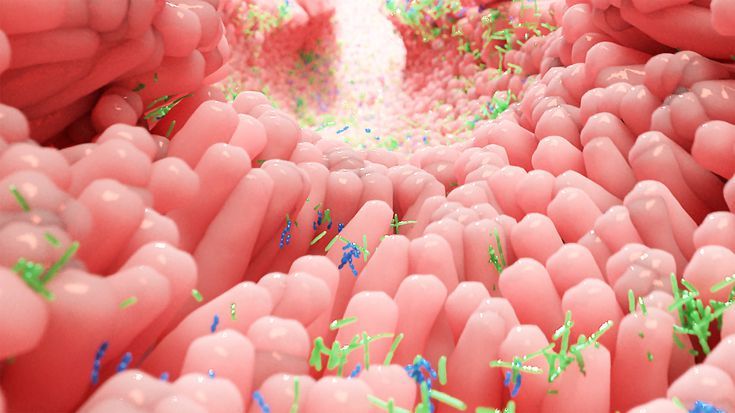
Gastrointestinal biofilms are matrix-enclosed, highly heterogenic and spatially organized polymicrobial communities that can cover large areas in the gastrointestinal tract.
The human gastrointestinal (GI) tract is the alimentary canal extending from the mouth to the anus and is the most densely inhabited environment of the human body. The GI tract harbors a profusion of microorganisms with different lifestyles called the gut microbiota, accounting for around 30% of the human microbiome. Along the GI tract, bacterial density increases, with the highest density in the colon (109–1011 bacteria/mL). The interplay of bacteria with the environment and the host affects the microbiota’s phenotypical occurrence and composition. Many gut microbes live as free-floating cells in the lumen, whereas others adapt higher-ordered structures termed biofilms (2,3,4,5) (as shown in the picture).
This picture illustrates – How Bacteria adopt different lifestyles in their natural habitats from single planktonic cells to biofilm communities. (Ref 2)
The mucus layer predominantly comprises dynamic mucin glycoprotein sheets coating the epithelial surface, forming the main barrier between the intestinal epithelium and luminal content (2,6). It effectively protects the host from digestive enzymes, acids, microbial by-products, food-associated toxins, pathogens, and microbial infiltration, preventing infection and inflammation (2,6,7).
A compromised mucus layer or defects in mucus production can facilitate bacterial colonization and mucosal biofilm formation (2,6,8). Biofilm formation on the outer mucus layer can lead to mucosal invasion and bring bacteria close to the epithelium, an event that is disease-associated (9,10). Polymicrobial biofilms naturally grow throughout the gastrointestinal tract, both at the epithelial surface and in the lumen as mucin-attached and food particle-attached colonies.
In simple words – A biofilm is a complex multi-cultural community of microorganisms, such as bacteria, fungi, or algae, that stick to each other and often adhere to a surface within a slimy, self-produced matrix known as the extracellular polymeric substance (EPS) or “slime.” This matrix, made up of sugars, proteins, lipids, and DNA, protects the microbes and helps them survive in harsh conditions by providing a shield against antibiotics, disinfectants, and the host immune system.
How does Biofilm Formation Happen?
Let’s liken the multispecies bacterial biofilm to a city – where bacteria settle selectively, limit settlements of new bacteria, store energy in exopolysaccharide, and transfer genetic material horizontally all for the good of the many (1).
There are several steps that we must take to optimize our lives in a city. The first is to choose the city in which we will live, then we must select the neighborhood in the city that best suits our needs, and finally we must make our home amongst the homes of many others. Occasionally, when life in the city sours, we leave. The same steps occur in the formation of a bacterial biofilm as shown in the picture below (1).

To give a larger picture – Free floating Bacteria (known as planktonic cell) attach to a mucosal surface, form microbial colonies, flagellin is reduced and create a hydro-gel like structure called exopolysaccharide or EPS matrix to protect themselves from host’s immune system and antibiotics. This EPS layer secretes extra polymeric cellular substances such as water, polysaccharides, lipids, proteins, and extracellular DNA resulting in a three-dimensional network, known as EPS matrix, that provides mechanical and chemical stability. The matrix protects against host defense mechanisms, mechanical forces of intestinal peristalsis, and antimicrobials through slow or incomplete drug penetration (1).
Formation of a Bacterial Biofilm (Picture taken form reference 1)
The Life Cycle and Architecture of Gastrointestinal Biofilms include the following steps and mechanism:
- Attachment – bacteria attach to the mucosal surface or aggregate (to each other or luminal content such as undigested food particles or host mucins) using surface-expressed adhesion proteins, flagella, and pili to form microcolonies (2).
- Development – The mucus-attached microcolonies start cell division and establish an EPS matrix known as biofilm matrix. The synthesis and secretion of EPS matrix, includes polysaccharides, proteins, lipids, and extracellular DNA (their functionality is described below). The EPS also comprise a significant amount of water that produces (together with the biopolymers) a hydrogel-like biofilm matrix. The EPS matrix fills the space between biofilm cells and holds cells together and anchors them to the mucosal surface, protecting the microbial community from environmental stresses, antibiotics, and immune responses (2).
- Maturation – Microbes proliferate, forming structured colonies with channels and pores that help transport nutrients and remove waste. This structure is sustained and protected by the EPS matrix, allowing the biofilm to persist in diverse environments. Persister cells form in nutrient-deficient areas, typically at the core of the mature biofilm, and display high tolerance against environmental stress and antimicrobial exposure (2).
- Dispersion – When conditions change or nutrients are depleted, portions of the biofilm may detach and spread, allowing microbes to colonize new uninfected surfaces. Dispersal can involve sloughing off clusters or individual cells. The dispersal direction in the gut occurs from proximal to distal areas due to intestinal peristalsis. Dispersed biofilm is a distinct phenotype contributing to biofilm expansion along the gut (2).
- This self-produced matrix, which is predominantly comprised of extracellular polymeric substances (EPS) including carbohydrates, proteins, lipids and extracellular DNA, forms the three-dimensional architecture of the biofilm, and performs several functions:
- These include – providing mechanical stability, mediating adhesion, enabling transportation of nutrients and waste within the biofilm, and providing protection against desiccation, ultraviolet radiation, some predators, metallic cations, host immune defenses, and biocides. The matrix also limits penetration of certain antibiotic classes into the biofilm (2).
- Polysaccharides are responsible for retaining water within the matrix, generating a highly hydrated and non-rigid (flexible) structural environment, allowing cellular movement (2,11).
- Proteins such as amyloids and lectins stabilize the biofilm structure by connecting bacterial cells to the surrounding matrix (2).
- The abundant extracellular DNA also promotes structural integrity and contributes to the exchange of genetic information between biofilm-residing cells (2,11).
- Bacterial cells within a biofilm also exhibit altered gene expression compared to planktonic cells, including genes that mediate antibiotic resistance such as efflux pumps (13).
The Biofilm Life cycle – (Picture taken from Ref 2)
Picture below illustrates the appearance of GI biofilm inside the colon and its matrix composition (Ref 2)
A. Gut bacteria and biofilm appearance – Bacterial communities are distributed throughout the digestive tract and adapt distinct phenotypes (planktonic, biofilm, and biofilm-dispersed). Most of these communities are free-floating (planktonic state) but also occur as mucosal biofilms or as aggregated biofilms to food particles and mucins. Bacteria from mucosal biofilms can invade the host mucus layer and bring them in close contact with the epithelium, a state that is often associated with a reduced host immune and antimicrobial response and the onset of disease (2).
B. Biofilm matrix composition – The biofilm matrix predominantly comprises water and biopolymers, including polysaccharides, proteins, lipids, and extracellular DNA, forming a hydrogel-like structure. Bacterial cells are embedded in this matrix and together form the biofilm. Biofilms use highly effective bacterial regulatory pathways such as Quorum sensing (QS), stringent response, and second messengers to regulate biofilm organization, architecture, and behavior (2).
C. Colonoscopy image of a biofilm-positive patient – Intestinal biofilm located in the human ascending colon (2).
D. Scanning electron microscopy image of in vitro P aeruginosa biofilm. The image visualizes the secreted biofilm matrix surrounding the bacteria (2).
What role does Biofilm play in our Gut?
Biofilms are protective, slimy layers formed by communities of gut bacteria and other microbes, adhering to the intestinal lining and encasing themselves in a sticky matrix of proteins, sugars, and amino acids. Both beneficial and harmful microbes can form biofilms in the gut.
Biofilms in the gut play a dual role—supporting digestive health under balanced conditions but potentially contributing to gut dysbiosis and disease when overgrown or disrupted.
Positive Roles in the Gut
- Protection – Commensal Biofilms shield beneficial microbes from stomach acid, mechanical flushing in the intestines, antibiotics, and immune attack, supporting resilience and diversity within the microbiome.
- Nutrient Processing – Within biofilms, commensal microbes share nutrients and break down food more efficiently, aiding digestion and nutrient utilization.
- Immune Modulation – Commensal Biofilms help regulate immune responses, enabling the gut to tolerate harmless substances while staying vigilant against pathogens.
Downsides and Disease Links
- Chronic Infections and Inflammation – Stubborn pathogenic biofilms may trigger continuous immune activation, inflammation, and contribute to chronic gut disorders like IBS, IBD, and Candidiasis.
The severity and frequency of the symptoms in SIBO are linked to the presence of large numbers of bacteria as well as related complications. Of these, the most important are mucosal inflammation. Inflammation of the mucosa of the small bowel leads to loss of the brush border, which in turn reduces the absorptive area in the small intestine. - Barrier to Absorption – When biofilms overgrow, particularly with harmful bacteria or fungi, they can block the absorption of nutrients and bile acids, leading to deficiencies, diarrhea, and digestive issues.
- Bile Acid Deconjugation – Bacterial deconjugation of bile acids is another important feature in SIBO. This leads to the formation of free bile acids, which further damage the intestinal lumen and reduce micelle formation, being absorbed in the jejunum rather than the ileum. Lack of micellar formation causes fat malabsorption, accompanied by the resulting lack of fat-soluble nutrients such as vitamins A, D and E. This leads to vitamin deficiencies including neuropathy due to low levels of cobalamin (2).
- Antibiotic Resistance: Biofilms protect bad microbes and can make bacterial infections harder to treat, contributing to persistent or resistant gut infections. Antibiotics are commonly prescribed for bacterial infections; however, their effectiveness is diminished in biofilms (2). Adjustments in dosage, frequency, and combination approaches can provide some antibiofilm effects (result only in biofilm reduction rather than eradication) but are often inadequate in the long term. In addition, higher dosages and prolonged treatment not only increase the risks of adverse effects but also contribute to the global problem of antibiotic resistance, which is already pronounced in biofilms (2).
- Disruption of Gut-Brain Axis: Large or abnormal biofilms may interfere with communication between the gut and brain, contributing to symptoms like brain fog and fatigue.
Reason to break biofilms
It is necessary to break down biofilms before treating SIBO with antibiotics because biofilms act as a protective barrier for bacteria, making them up to 1,000 times more resistant to antimicrobial treatments compared to free-floating bacteria. This matrix effectively shields SIBO-causing bacteria from antibiotics, preventing these drugs from reaching and killing the microorganisms inside. As a result, antibiotic treatment without first disrupting biofilms is often less effective, and infections tend to re-occur or become chronic.
Therefore, disrupting biofilms exposes underlying bacteria, making them more vulnerable to antibiotics or herbal antimicrobials. Without biofilm disruption, bacterial colonies can persist or regrow once treatment stops, leading to relapse or treatment failure.
Natural Biofilm Disruptors
Many plant-based compounds and herbal extracts have demonstrated biofilm-disrupting activity, especially against bacteria and fungi relevant to gut and chronic infections.
- Polyphenols and Flavonoids – Compounds like tannic acid, resveratrol (present in the skin of grapes and berries), epigallocatechin gallate (EGCG, from green tea), and proanthocyanidins are present in many fruits, teas, and medicinal plants and show strong anti-biofilm activities (16).
- Herbs and Spices – Curcumin, Oregano, clove, eucalyptus, rosemary, thyme, cinnamon, ginger, gingko, garlic extract and neem contain potent compounds (like carvacrol in oregano, eugenol in clove, cinnamaldehyde in cinnamon) that break down biofilms and inhibit bacterial and fungal growth. These can be used as extracts, teas, seasonings, or supplements (14,16).
- Phytochemicals – are known for their antibacterial properties and ability to inhibit biofilm formation and disrupt mature biofilms. The following Phytochemicals effectively reduce the biofilm of various bacteria:
- Quercetin – found in dill, oregano, chili pepper, spinach and red onion
- Apigenin – found in Celery seeds, spinach parsley, sage, and chamomile
- Arbutin – found in common pear, strawberry tree, bearberry, and lingonberry
- Proanthocyanidins – found in cranberry, grape seeds, red beans, and hazel nuts
- Gallic acid is a polyphenol – found in pomegranate, guava, pulp of mango, black currant, and white mulberry – is cited for its microbiome-modulating and potential biofilm-disrupting effects. The use of Gallic acid in antimicrobial therapy is justified because of its proven inhibitory effect on bacterial adhesion and delayed EPS formation. It also modifies the permeability of the microbial cytoplasmic membrane and quiets QS by reducing acyl homoserine lactones (AHLs) synthesis (15).
A methanolic extract of pomegranate was used to detect the anti-biofilm activity of against bacterial and fungal pathogens. The methanolic fraction of pomegranate was found to inhibit the biofilms formation produced by several bacteria including S. aureus, methicillin-resistant S. aureus, E. coli, and Candida albicans (13,14).
- Rutin – The sources with the highest rutin (RT) content include cassava, eggplant lettuce, thyme and buckwheat, with the highest RT concentration observed in winter-harvested lettuce. RT shows therapeutic potential for bacterial infections. It has the ability to inhibit the growth of E. coli, Pseudomonas vulgaris, Shigella sonnei, Klebsiella spp., P. aeruginosa, and Bacillus subtilis, which is associated with inhibition of bacterial DNA isomerase (15).
- Vitamin C – is the most popular phytochemical, which is especially renowned for its antioxidant activity. It can be extracted from citrus fruits like grapefruit, kiwi, berries, orange, tomatoes, lemon/lime, and green leafy vegetables like broccoli, and red pepper. Vitamin C is rich in ascorbic acid. The antimicrobial activity of ascorbic acid is based on pro-oxidant activity and subsequent production of ROS, which accumulate in the cells of biofilm-forming microorganisms. Therefore, lipid ultra-oxidation, redox imbalance, and DNA damage occur, inhibiting bacterial growth.
In multidrug-resistant strains treated with Vitamin C at a concentration of 8 mg/mL, a reduction in the production of biofilm matrix polysaccharide is observed, which also inhibits biofilm formation and development (15).
- Apple Cider Vinegar – The acetic acid in vinegar may help break down biofilm matrix and make pathogens more susceptible to natural or conventional antimicrobials.
- Garlic Extract – Garlic extract contains ajoene and allicin, which is noted for its ability to inhibit biofilm growth and microbial adhesion, especially in the gut. Note – garlic itself can worsen SIBO symptoms (16).
Supplements That Disrupt Biofilms
- N-Acetylcysteine (NAC) – Breaks down biofilm matrix and reduces its thickness.
- Proteolytic Enzymes – Serrapeptase, nattokinase, and lumbrokinase degrade protein-based biofilm structures.
- Second-Generation Probiotics – Spore-forming strains like Bacillus Subtilis and Bacillus Coagulans survive harsh gut conditions to fight biofilms.
Avoid these foods that promote Biofilms
- Sugary Foods – Feed bacteria and fungi, promoting biofilm development.
- Processed Carbohydrates – White bread and pasta spike blood sugar and fuel pathogens.
- Dairy – Stimulates mucus production, a medium for biofilm growth.
- Alcohol – Disrupts gut microbiota, encouraging biofilm formation.
The Bottom Line
Gut biofilms are essential for a balanced gut ecosystem, helping beneficial microbes thrive and protecting against pathogens, but when imbalanced, they can promote gut disorders, block nutrient absorption, and drive inflammation.
Biofilms are a major concern in relation to antibiotics because they make bacterial infections significantly harder to treat and can directly contribute to antibiotic resistance. Clinical recommendations therefore often suggest using natural or pharmaceutical biofilm disruptors (e.g., Serrapeptase, EDTA, certain enzymes) prior to or alongside antibiotic treatment to enhance effectiveness. By avoiding biofilm-promoting foods, adopting an anti-biofilm diet, and using targeted therapies you can break down biofilms and restore your health. Also, phytochemicals exhibit significant antibacterial effects, reduce biofilm’s structural integrity, and inhibit bacterial communication pathways. Moreover, their potential use in combination with existing antibiotics may enhance therapeutic outcomes.
References:
- Watnick P, Kolter R. Biofilm, city of microbes. J Bacteriol. 2000 May;182(10):2675-9. doi: 10.1128/JB.182.10.2675-2679.2000. PMID: 10781532; PMCID: PMC101960.
- Jandl B, Dighe S, Baumgartner M, Makristathis A, Gasche C, Muttenthaler M. Gastrointestinal Biofilms: Endoscopic Detection, Disease Relevance, and Therapeutic Strategies. Gastroenterology. 2024 Nov;167(6):1098-1112.e5. doi: 10.1053/j.gastro.2024.04.032. Epub 2024 Jun 12. PMID: 38876174.
- Flemming, H.-C. ∙ Wingender, J. ∙ Szewzyk, U. … Biofilms: an emergent form of bacterial life Nat Rev Microbiol. 2016; 14:563-575 Crossref Scopus (3604) PubMed Google Scholar
- de Vos, W.M. Microbial biofilms and the human intestinal microbiome NPJ Biofilms Microbiomes. 2015; 1:15005 Crossref Scopus (117) PubMed Google Scholar
- Motta, J.-P. ∙ Wallace, J.L. ∙ Buret, A.G. … Gastrointestinal biofilms in health and disease Nat Rev Gastroenterol Hepatol. 2021; 18:314-334 Crossref Scopus (139) PubMed Google Scholar
- Turner, J.R. Intestinal mucosal barrier function in health and disease Nat Rev Immunol. 2009; 9:799-809 Crossref Scopus (2888) PubMed Google Scholar
- Corfield, A.P. ∙ Myerscough, N. ∙ Longman, R. … Mucins and mucosal protection in the gastrointestinal tract: new prospects for mucins in the pathology of gastrointestinal disease Gut. 2000; 47:589-594 Crossref Scopus (307) PubMed Google Scholar
- Caldara, M. ∙ Friedlander Ronn, S. ∙ Kavanaugh Nicole, L. … Mucin biopolymers prevent bacterial aggregation by retaining cells in the free-swimming state Curr Biol. 2012; 22:2325-2330 Full Text Full Text (PDF) Scopus (93) PubMed Google Scholar
- Tytgat, H.L.P. ∙ Nobrega, F.L. ∙ van der Oost, J. … Bowel biofilms: tipping points between a healthy and compromised gut? Trends Microbiol. 2019; 27:17-25 Full Text Full Text (PDF) Scopus (89) PubMed Google Scholar
- Baumgartner, M. ∙ Lang, M. ∙ Holley, H. … Mucosal biofilms are an endoscopic feature of irritable bowel syndrome and ulcerative colitis Gastroenterology. 2021; 161:1245-1256.e20 Full Text Full Text (PDF) Scopus (61) PubMed Google Scholar
- Flemming, H.-C. ∙ Wingender, J. The biofilm matrix Nat Rev Microbiol. 2010; 8:623-633 Crossref Scopus (7511) PubMed Google Scholar
- Baumgartner, M. ∙ Lang, M. ∙ Holley, H. … Mucosal biofilms are an endoscopic feature of irritable bowel syndrome and ulcerative colitis Gastroenterology. 2021; 161:1245-1256.e20 Full Text Full Text (PDF) Scopus (61) PubMed Google Scholar
- Melander RJ, Basak AK, Melander C. Natural products as inspiration for the development of bacterial antibiofilm agents. Nat Prod Rep. 2020 Nov 1;37(11):1454-1477. doi: 10.1039/d0np00022a. Epub 2020 Jul 1. PMID: 32608431; PMCID: PMC7677205.
- Lu L, Hu W, Tian Z, Yuan D, Yi G, Zhou Y, Cheng Q, Zhu J, Li M. Developing natural products as potential anti-biofilm agents. Chin Med. 2019 Mar 20;14:11. doi: 10.1186/s13020-019-0232-2. PMID: 30936939; PMCID: PMC6425673.
- Fydrych D, Jeziurska J, Wełna J, Kwiecińska-Piróg J. Potential Use of Selected Natural Compounds with Anti-Biofilm Activity. Int J Mol Sci. 2025 Jan 13;26(2):607. doi: 10.3390/ijms26020607. PMID: 39859320; PMCID: PMC11765509.
- Mishra R, Panda AK, De Mandal S, Shakeel M, Bisht SS, Khan J. Natural Anti-biofilm Agents: Strategies to Control Biofilm-Forming Pathogens. Front Microbiol. 2020 Oct 29;11:566325. doi: 10.3389/fmicb.2020.566325. PMID: 33193155; PMCID: PMC7658412.