Biofilm Formation and Gastrointestinal
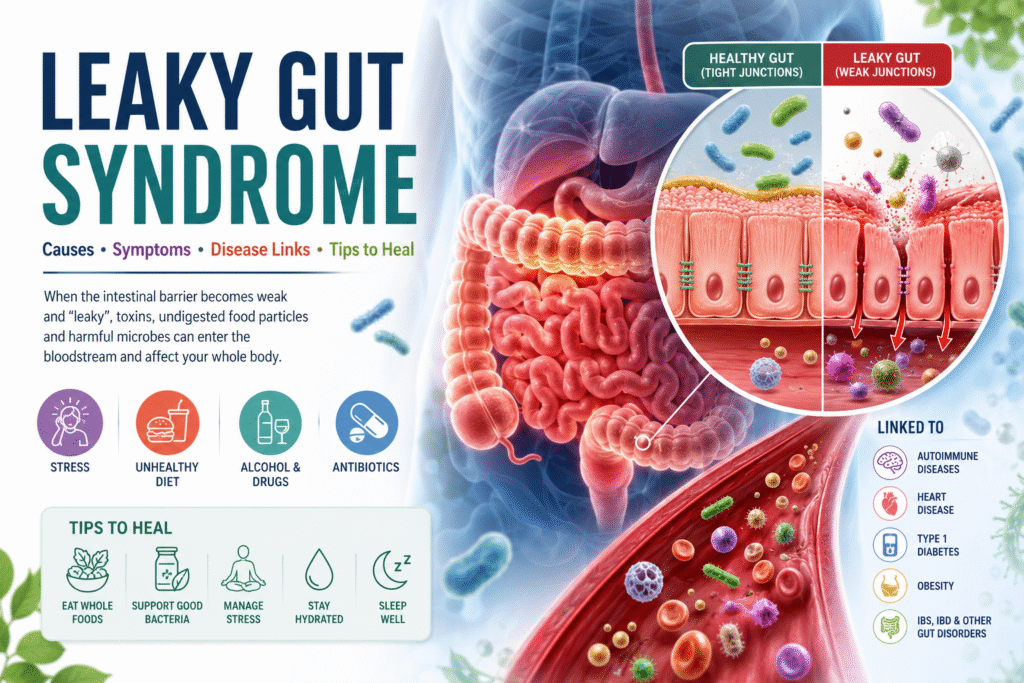
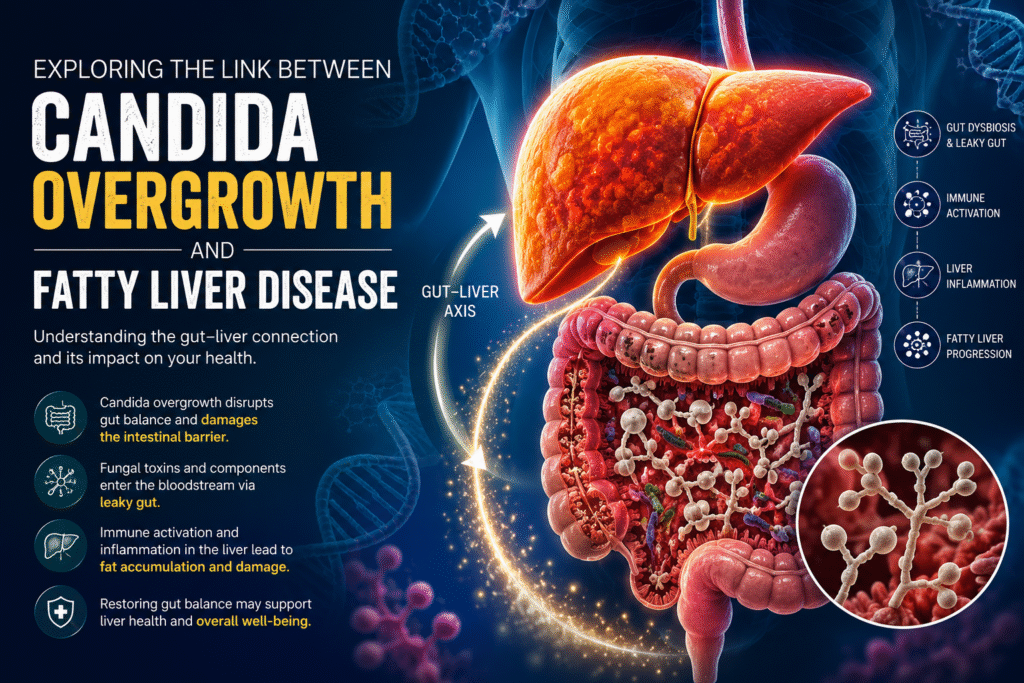
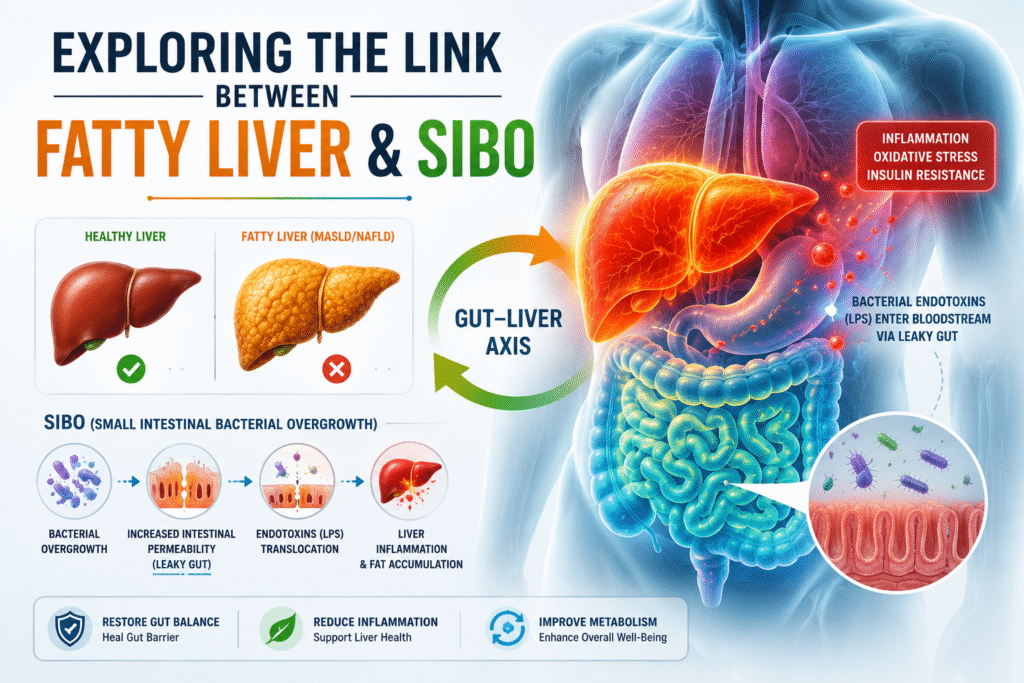
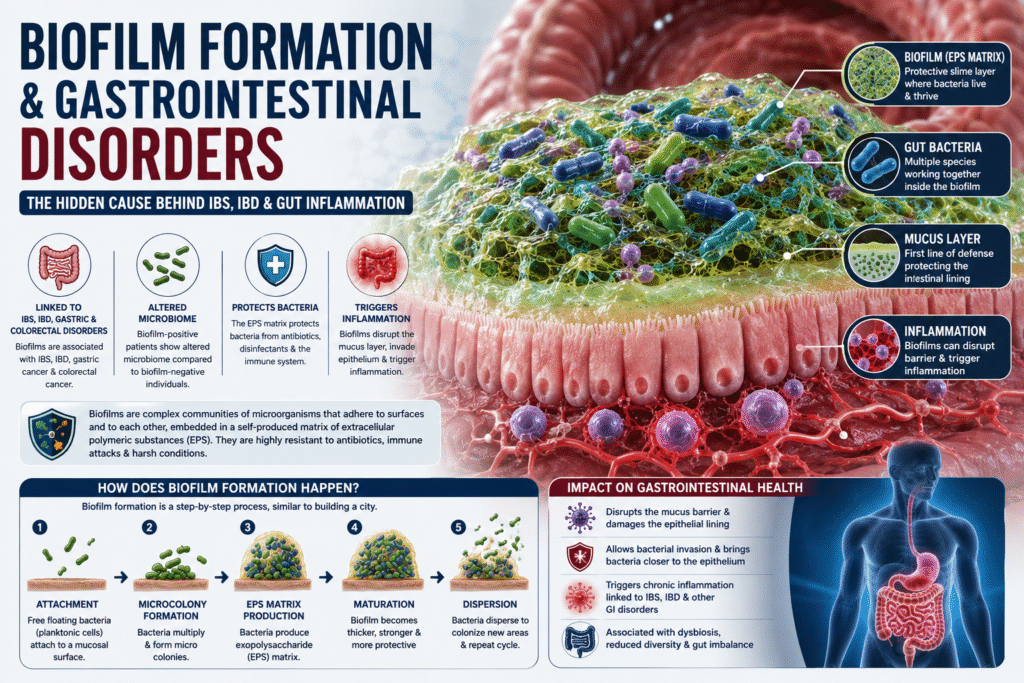
Biofilm Formation and Gastrointestinal Disorders As per the reports of the National Institute of Health (NIH), about 80% of human infections affecting the gastrointestinal, genitourinary (UTIs), respiratory systems, oral mucosa and teeth, eyes, middle ear and skin are caused due to BIOFILM FORMATION by biofilm-associated microorganisms. The ability to form biofilms is a universal attribute of bacteria, and biofilms play a role in several infections including – infection of indwelling medical devices, wound infections, bacterial carditis (heart-infection), otitis media (middle ear infection), dental carries, and lung infections of cystic fibrosis patients (13). Gut microbiota dysbiosis, mucus disruption, and epithelial invasion are associated with pathogenic biofilms that have been linked to gastrointestinal disorders such as irritable bowel syndrome (IBS), Inflammatory Bowel Diseases (IBD), gastric cancer, and colorectal cancer (2). Intestinal biofilms are highly prevalent in ulcerative colitis and irritable bowel syndrome (IBS) patients, and most endoscopists have observed such biofilms during colonoscopy, in the gastrointestinal environment (GI tract) (2). IBS and IBD are the two most frequent GI disorders, together affecting >10% of the Western population. A recent clinical study revealed endoscopically visible mucosal biofilms in 57% of IBS, 34% of ulcerative colitis (UC), and 22% of Crohn’s disease (CD) patients (6% healthy; 976 patients in Austrian cohort and 450 in German cohort) (2,12). Biofilm-positive UC and IBS patients had an altered microbiome compared with biofilm-negative individuals, a finding independent of disease state (2.12). Antibiotics and food additives might contribute to the reduced microbial diversity and biofilm formation, and it is plausible that food industrialization is linked to biofilm formation frequency, aligning with the higher prevalence of IBS and IBD observed in Western populations (2). What are Gastrointestinal Biofilms? Gastrointestinal biofilms are matrix-enclosed, highly heterogenic and spatially organized polymicrobial communities that can cover large areas in the gastrointestinal tract. The human gastrointestinal (GI) tract is the alimentary canal extending from the mouth to the anus and is the most densely inhabited environment of the human body. The GI tract harbors a profusion of microorganisms with different lifestyles called the gut microbiota, accounting for around 30% of the human microbiome. Along the GI tract, bacterial density increases, with the highest density in the colon (109–1011 bacteria/mL). The interplay of bacteria with the environment and the host affects the microbiota’s phenotypical occurrence and composition. Many gut microbes live as free-floating cells in the lumen, whereas others adapt higher-ordered structures termed biofilms (2,3,4,5) (as shown in the picture). The mucus layer predominantly comprises dynamic mucin glycoprotein sheets coating the epithelial surface, forming the main barrier between the intestinal epithelium and luminal content (2,6). It effectively protects the host from digestive enzymes, acids, microbial by-products, food-associated toxins, pathogens, and microbial infiltration, preventing infection and inflammation (2,6,7). A compromised mucus layer or defects in mucus production can facilitate bacterial colonization and mucosal biofilm formation (2,6,8). Biofilm formation on the outer mucus layer can lead to mucosal invasion and bring bacteria close to the epithelium, an event that is disease-associated (9,10). Polymicrobial biofilms naturally grow throughout the gastrointestinal tract, both at the epithelial surface and in the lumen as mucin-attached and food particle-attached colonies. In simple words – A biofilm is a complex multi-cultural community of microorganisms, such as bacteria, fungi, or algae, that stick to each other and often adhere to a surface within a slimy, self-produced matrix known as the extracellular polymeric substance (EPS) or “slime.” This matrix, made up of sugars, proteins, lipids, and DNA, protects the microbes and helps them survive in harsh conditions by providing a shield against antibiotics, disinfectants, and the host immune system. How does Biofilm Formation Happen? Let’s liken the multispecies bacterial biofilm to a city – where bacteria settle selectively, limit settlements of new bacteria, store energy in exopolysaccharide, and transfer genetic material horizontally all for the good of the many (1). There are several steps that we must take to optimize our lives in a city. The first is to choose the city in which we will live, then we must select the neighborhood in the city that best suits our needs, and finally we must make our home amongst the homes of many others. Occasionally, when life in the city sours, we leave. The same steps occur in the formation of a bacterial biofilm as shown in the picture below (1). To give a larger picture – Free floating Bacteria (known as planktonic cell) attach to a mucosal surface, form microbial colonies, flagellin is reduced and create a hydro-gel like structure called exopolysaccharide or EPS matrix to protect themselves from host’s immune system and antibiotics. This EPS layer secretes extra polymeric cellular substances such as water, polysaccharides, lipids, proteins, and extracellular DNA resulting in a three-dimensional network, known as EPS matrix, that provides mechanical and chemical stability. The matrix protects against host defense mechanisms, mechanical forces of intestinal peristalsis, and antimicrobials through slow or incomplete drug penetration (1). The Life Cycle and Architecture of Gastrointestinal Biofilms include the following steps and mechanism: Attachment – bacteria attach to the mucosal surface or aggregate (to each other or luminal content such as undigested food particles or host mucins) using surface-expressed adhesion proteins, flagella, and pili to form microcolonies (2). Development – The mucus-attached microcolonies start cell division and establish an EPS matrix known as biofilm matrix. The synthesis and secretion of EPS matrix, includes polysaccharides, proteins, lipids, and extracellular DNA (their functionality is described below). The EPS also comprise a significant amount of water that produces (together with the biopolymers) a hydrogel-like biofilm matrix. The EPS matrix fills the space between biofilm cells and holds cells together and anchors them to the mucosal surface, protecting the microbial community from environmental stresses, antibiotics, and immune responses (2). Maturation – Microbes proliferate, forming structured colonies with channels and pores that help transport nutrients and remove waste. This structure is sustained and protected by the EPS matrix, allowing the biofilm to persist in diverse environments. Persister cells form in nutrient-deficient areas, typically at the core of the mature