
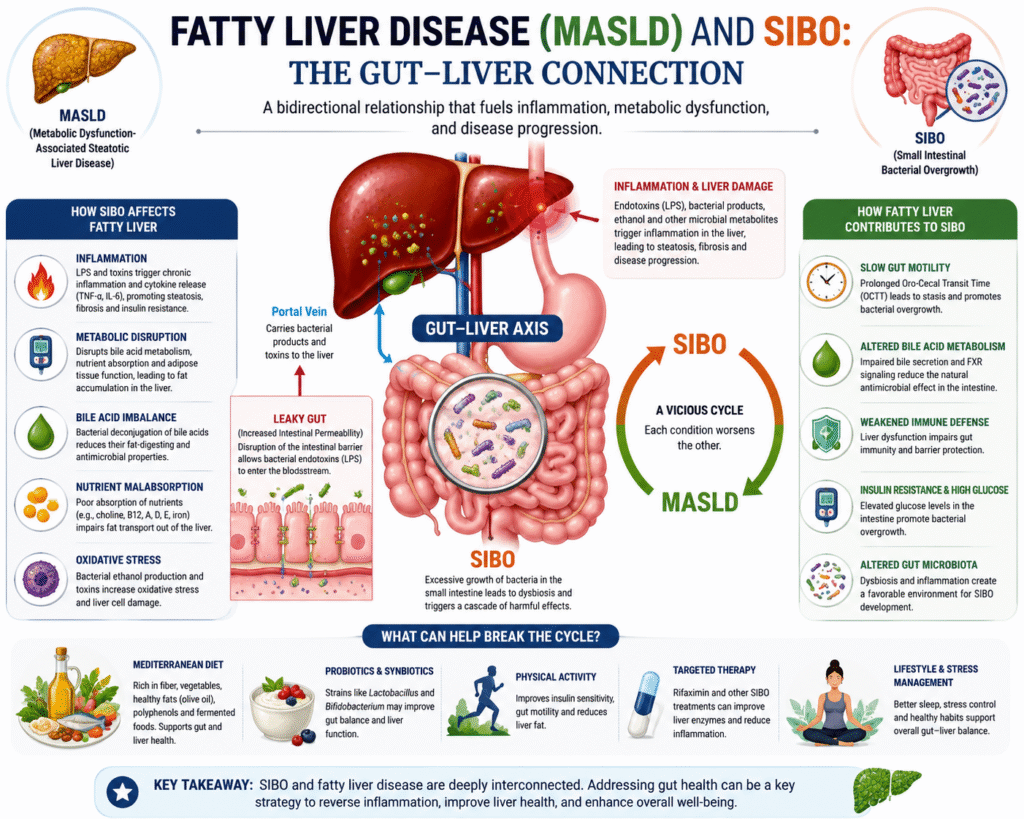
Fatty liver disease, particularly Nonalcoholic Fatty Liver Disease (NAFLD), now known as Metabolic Dysfunction-Associated Steatotic Liver Disease (MASLD), has become a major global health concern. In recent years, MASLD has been the second leading cause of end-stage liver disease worldwide (28).
Increasing evidence reveals a fascinating connection between NAFLD and gut health, specifically a condition known as Small Intestinal Bacterial Overgrowth (SIBO). The correlation between small intestinal bacterial overgrowth (SIBO) and nonalcoholic fatty liver disease (NAFLD) has gained heightened acknowledgment, especially in the late phases of liver disease.
Today, we explore the scientific links between these two conditions and why understanding this relationship matters.
Understanding The Gut-Liver Axis
The gut epithelium is a natural barrier that selects entry of useful substances present in the lumen, as nutrients, and keeps at bay bacteria, their bio-products and other potentially harmful elements. Tight junctions, specialized intercellular structures, assist this control. Derangement of the homeostasis between bacteria and the host, as occurs in SIBO (enhanced amount and/or changes in the type of bacteria in the gastrointestinal tract), may cause disruption of the intercellular tight junctions and subsequent increase in intestinal permeability leading to bacterial translocation (BT), i.e., transportation of bacteria and bacterial products from the intestinal lumen into the blood (4).
The portal vein and the hepatic artery supply blood to the liver. The portal blood contains products of digestion and microbial products derived from the gut microbiota. This blood is carried to the liver. Therefore, Liver is the first site of exposure and filtration that consists of microbial products from the gut, such as LPS, lipopeptides, unmethylated DNA, and double-stranded RNA, which may evoke inflammatory reaction contributing to the progression of the liver disorder (4).
This bidirectional relationship of the gut ecosystem and liver is imperative both physiologically and pathologically. Generally, the liver receives rich nutrients, microbial metabolites, and subproducts from the intestine and secretes bile into the small intestine (5). An integrated gut barrier also protects against toxins to maintain internal homeostasis.
This gut-liver axis is regulated and stabilized by a complex network of metabolic, immune, and neurosecretory interactions between the gut, microbiota, and liver. Disruption of this equilibrium may lead to gut dysbiosis and liver injury (5).
SIBO as we know is the clinical manifestation of gut microbial dysbiosis. Therefore, the bidirectional relationship between Small Intestinal bacterial overgrowth (SIBO) and fatty liver disease, particularly non-alcoholic fatty liver disease (NAFLD), is characterized by mutual influences through gut-liver axis dysfunction, inflammation, and metabolic disturbances.
Association between SIBO and Fatty Liver
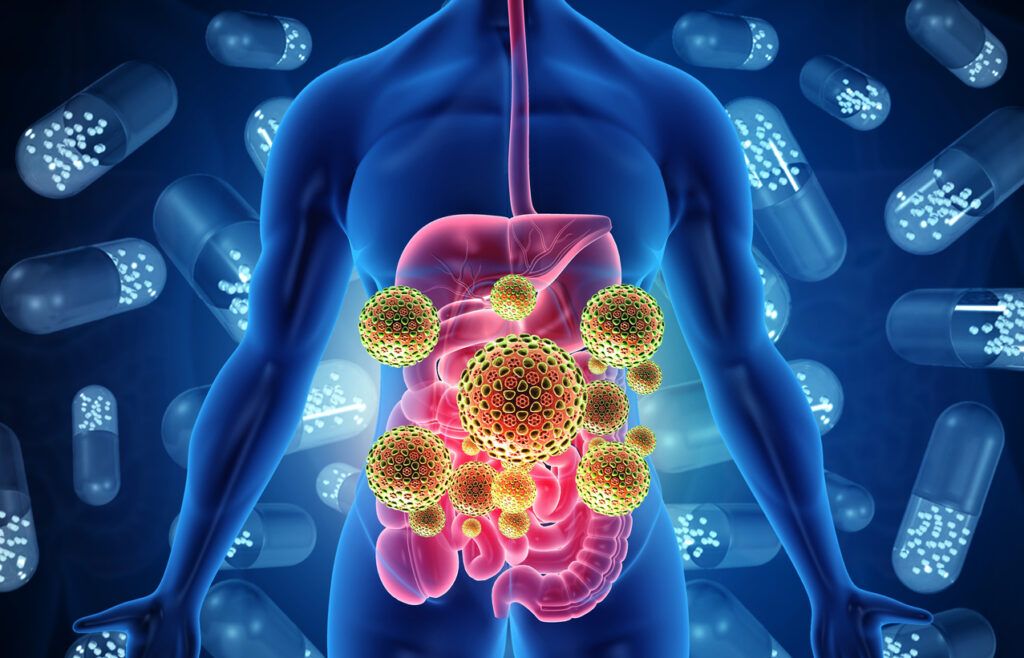
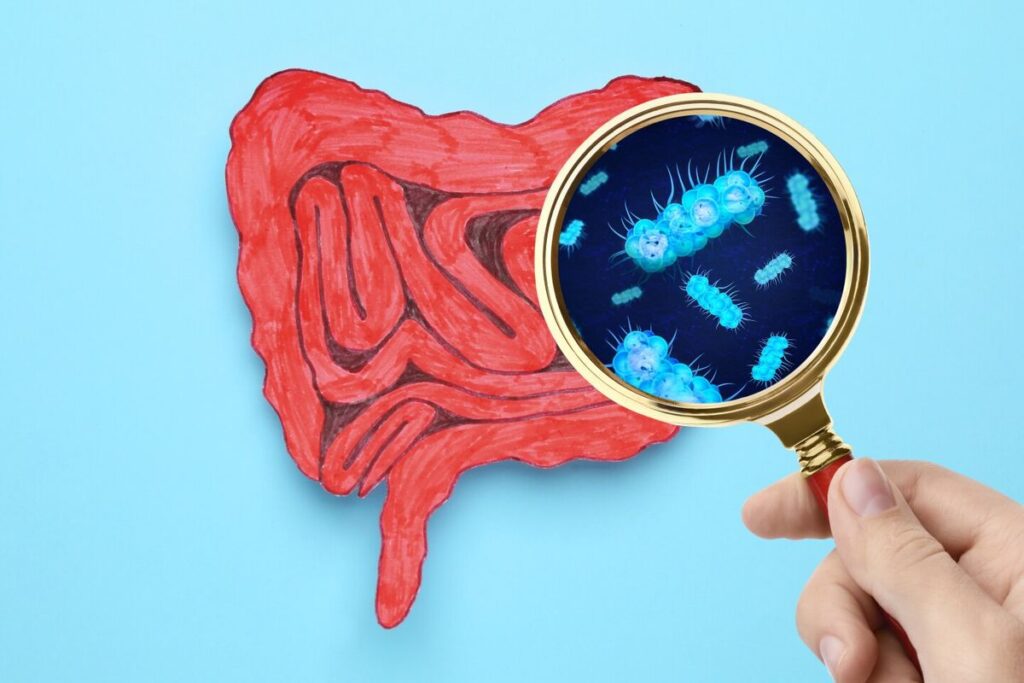
Small intestinal bacterial overgrowth (SIBO) is a condition marked by excessive growth of microbes in the small intestine, resulting in various digestive issues including bloating, satiety, and malabsorption. In healthy people, the small bowel has a relatively low bacterial concentration, around 103–104 colony-forming units per milliliter (CFU/mL) (1,6). However, when this balance is disrupted, bacteria from the colon or oral cavity can colonize the small intestine, resulting in SIBO. Factors contributing to this condition include reduced gastric acid production, impaired intestinal motility, insufficient production of bile and dysfunction of the ileocecal valve (1,7).
It may present in a range of symptoms, from moderate pain to severe nutritional deficiencies, weight loss, and shortages in crucial minerals and vitamins, including vit B12, A, D, E, iron, choline, calcium, fats, carbohydrates, protein and bile salt deconjugation (1,8). However, it has been shown that intestinal dysbiosis, endotoxemia (bacterial toxins in blood) and bacterial translocation may contribute to inflammation and Insulin Resistance (3,9,10,11,12). This directly seems to disrupt the functioning of the gut–liver axis, which may influence the incidence and progression of NAFLD (3,13).
Non-alcoholic fatty liver Disease is the most frequent cause of chronic liver sickness globally, with a spectrum spanning from simple steatosis to inflammation of the hepatocytes, fibrosis, cirrhosis, and even hepatocellular carcinoma (1,14). The link between SIBO and nonalcoholic fatty liver disease (NAFLD) has attracted increased attention since studies show that the gut-liver axis plays a significant role in the pathophysiology of steatosis liver disease (1,15). The transfer of bacterial metabolites from the stomach to the liver may promote scarring and inflammation, thereby aggravating liver damage (1,16).
How SIBO affects Fatty Liver?
-
- Inflammation – SIBO leads to an overgrowth of bacteria in the small intestine, causing increased intestinal permeability “known as leaky gut or gut barrier dysfunction.” This allows bacterial endotoxins, especially lipopolysaccharides (LPS), to enter the bloodstream and reach the liver via the portal vein, triggering chronic liver inflammation. These endotoxins and bacterial products activate inflammatory pathways (immune responses) in the liver, releasing proinflammatory cytokines (e.g. TNF-α, IL-6) which promote fat accumulation, insulin resistance, liver inflammation, fibrosis, and disease progression in NAFLD.
-
- Example – It has been demonstrated in animal models that a four-week HFD (high fat diet) increases LPS contained in the gut microbiota and plasma LPS concentrations two to three times, which is considered metabolic endotoxemia. The induction of metabolic endotoxemia in mice, by continuous subcutaneous infusion of LPS for four weeks, was followed by a rise in the following parameters: fasting glycemia, insulinemia, markers of inflammation, liver triglyceride content, liver insulin resistance, and whole body, liver and adipose tissue weight gain in a similar amount as occurred in HFD fed mice (4,17).
Large amount of fructose consumption is also related to increase in endotoxin serum levels, proinflammatory response and steatosis. It was demonstrated in an elegant study conducted by Bergheim et al. (4,18) that mice fed with fructose showed increased endotoxin levels in the portal blood, and higher intrahepatic lipid accumulation, lipid peroxidation and TNF-α expression.
- Example – It has been demonstrated in animal models that a four-week HFD (high fat diet) increases LPS contained in the gut microbiota and plasma LPS concentrations two to three times, which is considered metabolic endotoxemia. The induction of metabolic endotoxemia in mice, by continuous subcutaneous infusion of LPS for four weeks, was followed by a rise in the following parameters: fasting glycemia, insulinemia, markers of inflammation, liver triglyceride content, liver insulin resistance, and whole body, liver and adipose tissue weight gain in a similar amount as occurred in HFD fed mice (4,17).
-
- Metabolic disruption – SIBO also disrupts bile acid metabolism, nutrient absorption, and adipose tissue function, contributing further to liver fat deposition and dysfunction.
-
- Bile acids – Bile acids are synthesized in the liver from cholesterol, conjugated (joined) with glycine or taurine, and secreted into the small intestine, where they help digest fats and maintain gut microbial balance through their antimicrobial properties (3).
In a healthy gut, most bile acids are absorbed in the ileum, while the rest reach the colon, where gut microbes convert them into secondary bile acids, which are then reabsorbed or excreted.
SIBO disrupts this balance by increasing bacterial deconjugation of bile acids in the small intestine instead of the colon, reducing their fat-digesting capacity and antimicrobial function. This may worsen fat malabsorption and promote further overgrowth of bacteria.
Deconjugated bile acids can be damaging to the intestinal lining and further disrupt gut barrier integrity.
- Bile acids – Bile acids are synthesized in the liver from cholesterol, conjugated (joined) with glycine or taurine, and secreted into the small intestine, where they help digest fats and maintain gut microbial balance through their antimicrobial properties (3).
-
- Nutrient Malabsorption – Bacterial overgrowth can interfere with absorption of key nutrients (e.g., choline, vit B12, A, D, E, iron), necessary for fat transport out of the liver, thus promoting steatosis.
-
- Oxidative Stress: Some bacteria produce ethanol as a byproduct, leading to oxidative stress and liver damage. Zhu et al. (4,19) also characterized the gut microbiomes in NASH subjects. According to their findings, there are increased abundance of alcohol-producing Escherichia in the microbiota of these patients as well as elevated blood-ethanol concentrations leading to increased oxidative stress and liver inflammation due to alcohol metabolism. Indeed, in addition to the increased production of ethanol, the intestinal microbiota also synthesizes LPS that promotes release of the pro-inflammatory cytokine TNF-α and IL-6 from the hepatic macrophages, which contributes to liver damage, disrupts normal hepatocyte function, leads to mitochondrial oxidative stress, and reduces the clearance of toxins by the hepatocytes (4,20).
How Fatty Liver may contribute to SIBO?
-
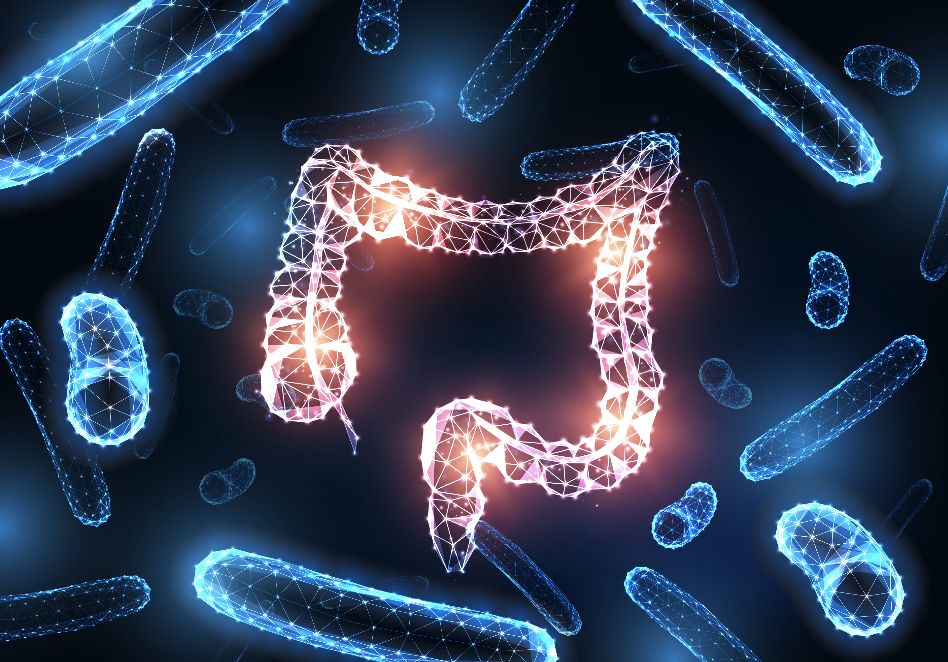
- OCTT (Oro-Cecal Transit Time) – Liver dysfunction in NAFLD can reduce gut motility and immune defense in the intestine, creating favorable conditions for SIBO development. Patients with nonalcoholic fatty liver disease (NAFLD) often have a prolonged or delayed OCTT, meaning it takes longer for food to move through their digestive system than it does for healthy individuals (3). This delay can contribute to problems like small intestinal bacterial overgrowth (SIBO), which is a common issue in NAFLD that can worsen the condition.
-
- Altered Bile Acid Metabolism – Bile acids assist in the digestion and absorption of lipids and fat-soluble vitamins. Bile acids are a direct bacteriostatic and thus prevent intestinal bacterial overgrowth by exerting a strong antimicrobial effect on intestinal homeostasis. Fatty liver disease impairs liver functions, including bile secretion and detoxification of gut derived metabolites, which can alter gut microbiota composition and intestinal motility, creating favorable environment for SIBO development.
-
- FXR signaling – Recent evidence has suggested that gut microbiota may also contribute to the development and progression of liver diseases by modifying the bile acid profile. Bile acids participate in the interaction between the liver and the gut. They are ligands of the farnesoid X receptor (FXR), which is expressed in the liver and gut (4,21). The activation of FXR reduces circulating bile acids (feedback mechanism) and participates in the control of the gut-microbiota composition and in the regulation of lipids and glucose homeostasis in the gut-liver axis.
-
- Insulin resistance: IR is a central driver of fatty liver disease. When insulin cannot effectively suppress lipolysis, there is an increase in free fatty acids delivered to the liver, fueling abnormal fat accumulation in liver cells. Also, insulin resistance leads to higher blood glucose and impaired cellular glucose uptake. Elevated circulating glucose may promote the overgrowth of bacteria in the small intestine, as these microbes thrive on available sugars.
-
- Gut Microbiota – Gut microbiota is linked to both: Obesity and NAFLD. The microbiota is related to obesity because it can increase energy harvesting from the diet and enhances energy storage due to the presence of Bacteroidetes and Firmicutes. Also, obesity is a common underlying factor that influences both conditions by affecting gut motility, microbiota composition, and metabolic inflammation (3).
A growing body of evidence suggests that “altered gut microbiota” may be involved in the pathogenesis of NAFLD, via several factors (3,22,23):
-
- Body weight—an increase in body weight contributes to a decrease in the diversity of the gut microbiota (3,24).
-
- Anatomical and functional changes in the intestinal barrier (defined as the immune barrier, the intestinal vascular barrier, and the hepatic barrier). Intestinal dysbiosis, intensifying the translocation of bacteria through the portal vein to the liver (endotoxemia), enhances inflammatory responses in the liver (3,25)
-
- Specific patterns pro-inflammatory compounds of the intestinal microbiome—PAMPs and MAMPs such as LPS, peptidoglycans and lipopeptides, microbial DNA, circulating proinflammatory cytokines (IL-1, IL-6, INF-γ, and TNF-α) may contribute to the inflammatory response and fibrosis in patients with NAFLD (3,23,26)
-
- Could influence the metabolic and inflammatory state of the liver through the release of anti-inflammatory compounds (short chain fatty acids-SCFA) that bind to G protein-coupled receptors (GPCRs) induce hepatic lipids and glucose homeostasis, the regulation of intestinal integrity and intrinsic immune defenses (3,27)
This bidirectional interaction exacerbates metabolic disturbances and inflammation, forming a vicious cycle contributing to disease severity as shown in the figure below (picture taken from reference 3):
This picture depicts the possible SIBO and NAFLD interactions. OCTT—oro-ceacal transit time; BA—bile acids; FXR—farnesoid X receptor.
Discussed below are some Clinical Studies that found a high prevalence of SIBO in NAFLD, while NAFLD increases the risk of developing SIBO.
Clinical Study 1 – A cross-sectional study (1) was done to investigate the prevalence and characteristics of SIBO in patients with fatty liver disease in a tertiary healthcare facility in Karachi located in Pakistan. This study included 65 adults aged 18–80 diagnosed with NAFLD via FibroScan® and the evaluation of SIBO was established by a glucose hydrogen breath test (GHBT). The research was conducted from July 2023 to March 2024 at Ziauddin Medical University Hospital’s Clifton Campus.
Results: Of the 65 individuals, 46 were male, with an average age of 44.88 ± 12.30 years, a mean index of body mass of 26.45 ± 6.45 kg/m², and an average waist measurement of 95.20 ± 15.17 cm. Lean NAFLD was observed in 40% of the participants with frequent comorbidities included – diabetes (40%), hypertension (38%), and dyslipidemia (38%).
Small intestinal bacterial overgrowth was identified in 37% of the subjects, 28% of whom were asymptomatic. Symptoms prevalent in SIBO-positive individuals were bloating (41%), belching (26%), and abdominal pain (28%). Liver stiffness indicated that 23% had F2 fibrosis, 28% had F3, and 49% had F4. Controlled attenuation parameter (CAP) scores showed S1 steatosis in 37% of patients, S2 in 29%, and S3 in 34%.
The presence of SIBO correlated with increasing fibrosis and steatosis levels. Small intestinal bacterial overgrowth (SIBO) positivity was more prevalent in the high Child-Pugh class and more severe liver dysfunction. With post-treatment giving Lactobacillus reuteri and rifaximin for two weeks, only 4% remained SIBO-positive. Significant associations of SIBO were also noted with dyslipidemia, hyperuricemia, and irritable bowel syndrome.
This research highlights a significant incidence of SIBO in NAFLD individuals, particularly those with severe liver damage and comorbidities. It stresses the importance of regular screening for SIBO in such patients, suggesting that timely detection and intervention could enhance patient outcomes.
Clinical Study 2 – Shah A et al. (2) conducted a systematic review and meta-analysis to assess and compare the prevalence of SIBO among CLD (Chronic Liver Disease) patients (with and without the complications of end stage liver disease) and healthy controls.
Electronic databases were searched from inception up to July-2024 for case–control studies reporting SIBO in CLD (Chronic Liver Disease). Prevalence rates, odds ratios (ORs), and 95% confidence intervals (CIs) of SIBO in patients with CLD and controls were calculated utilizing a random-effects model.
Findings: This updated meta-analysis, that includes 34 case–control studies, revealed an 8-fold higher prevalence of SIBO in patients with CLD compared to healthy controls. Moreover, the increased number of studies included in this updated meta-analysis enabled subgroup analyses, that revealed that patients with CLD and decompensated cirrhosis, especially those with portal hypertension and spontaneous bacterial peritonitis, had notably an increased prevalence of SIBO. This meta-analysis suggests that SIBO is associated with complications of CLD and potentially linked to the progression of CLD.
These data suggests that SIBO likely plays a role for the progression of CLD, rather than solely being a consequence of cirrhosis and portal hypertension. The proposed interplay between small intestinal dysbiosis and subsequent low-grade small intestinal mucosal inflammation resulting in increased intestinal epithelial permeability likely plays a role in the progression of liver disease. Furthermore, targeting SIBO with antimicrobials such as Rifaximin may aid in treating dysbiosis and potentially halt or delay the progression of liver disease (2).
How ALCOHOLIC FATTY LIVER Disease (ALD) contributes to SIBO?
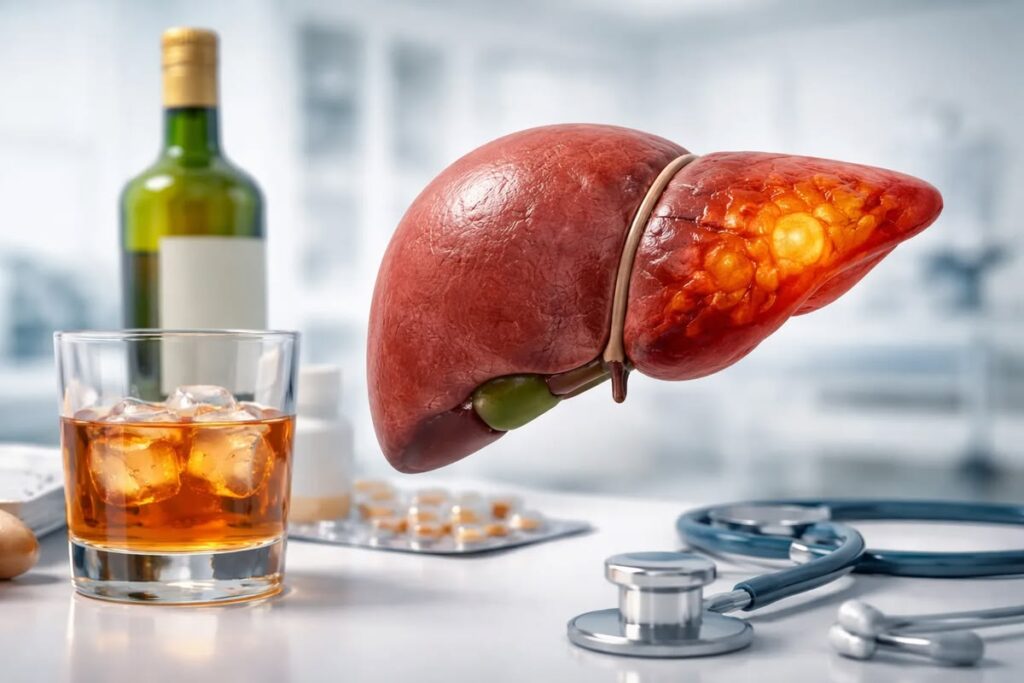
Alcoholic liver disease (ALD) encompasses fatty liver, or hepatic steatosis, and the more serious entities – alcoholic steatohepatitis, alcoholic hepatitis, fibrosis, cirrhosis, and liver cancer (Gao and Bataller, 2011).
Chronic alcohol ingestion leads to small and large intestinal bacterial overgrowth and dysbiosis in animals and humans (Bode et al., 1984, Casafont Morencos et al., 1996, Yan et al., 2011, Hartmann et al., 2013).
Large intestinal bacterial overgrowth develops as early as one week after intragastric alcohol feeding (Hartmann et al., 2013), and is also present in end-stage liver disease in rodents (Guarner et al., 1997, Sanchez et al., 2005).
Similarly, subjects with moderate alcohol consumption as well as patients with alcoholic liver cirrhosis display small intestinal bacterial overgrowth (Casafont Morencos et al., 1996, Gabbard et al., 2014). Small intestinal bacterial overgrowth (SIBO) correlates well with the severity of the alcoholic cirrhosis (Casafont Morencos et al., 1996).
Alcoholic fatty liver disease contributes to SIBO by damaging gut barrier integrity, disturbing the balance of the gut microbiome, compromising bile flow, and fostering systemic inflammation through the release of bacterial endotoxins. This creates a bidirectional, self-perpetuating relationship where each condition worsens the other, emphasizing the importance of gut-liver health in managing both disorders.
Chronic alcohol administration results in a quantitative increase of intestinal bacteria and a qualitative change in the bacterial composition of the microbiota (29). Several factors contribute to alcohol-associated dysbiotic changes in the intestine (29) that could potentially lead to SIBO – as discussed below:
-
- Environmental factors such as dietary habits, medications or xenobiotics are among the strongest determinants affecting the composition of the intestinal microbiome.
-
- Genetics – Genetic determinants are thought to contribute to the risk of developing progressive alcoholic liver disease. Women are more susceptible to alcohol-induced liver disease than men (Sato et al., 2001). Polymorphisms in cytochrome P4502E1 (CYP2E1) and alcohol-dehydrogenase-3 (ADH-3) genes are risk factors for developing liver disease among alcoholics (Monzoni et al., 2001).
-
- Intestinal dysmotility – Ethanol reduces the intestinal motility that might lead to a proliferation of luminal bacteria. Social drinkers demonstrate an increased orocecal transit time relative to teetotalers; alcoholics exhibit an even longer orocecal transit time than social drinkers (Addolorato et al., 1997). Similarly, cirrhotic patients exhibit small intestinal bacterial overgrowth with a prolonged transit time (Gupta et al., 2010).
-
- Altered bile flow – Chronic alcohol abuse leads to higher total bile acid levels in the stool (Kakiyama et al., 2014). However, once the alcoholic patient develops cirrhosis, the fecal amount of total bile acids decreases significantly (Kakiyama et al., 2014). This might be due to the diminished bile secretion into the intestine observed in cirrhotics (Raedsch et al., 1983).
-
- Increased gastric pH – Ethanol either has no impact on gastric acid release or even increases it in non-alcoholic subjects (Chari et al., 1993). Alcoholics, however, exhibit hypochlorhydria, or the state of reduced gastric acid production (Dinoso et al., 1972, Chari et al., 1993).
Picture below (29) shows Contributing factors associated with intestinal dysbiosis after chronic alcohol consumption.
Hence, The Big Question – Can Fatty Liver Cause SIBO?
Interestingly, this relationship is bidirectional. Fatty liver disease itself can impair gut motility and barrier function, creating an environment ripe for bacterial overgrowth. Insulin resistance and altered bile acid secretion in NAFLD patients further disrupt gut homeostasis, perpetuating SIBO.
Research consistently shows that people with SIBO are significantly more likely to have fatty liver disease. Children with SIBO have over a fivefold increased risk of NAFLD. Moreover, treating SIBO has been found to improve liver enzyme levels and reduce systemic inflammation, highlighting the therapeutic potential of targeting gut bacteria in fatty liver management.
What This Means for You?
Understanding the gut-liver axis opens new avenues for managing fatty liver disease. Addressing SIBO through dietary changes, probiotics, and appropriate antimicrobial treatments may alleviate liver inflammation and improve metabolic health.
A study suggests that the NAFLD diet therapy includes the introduction of physical activity along with a Mediterranean diet containing dietary fiber, prebiotics, fermented foods, polyphenols and the predominance of monounsaturated fatty acids derived from olive oil. This type of diet is considered to evoke a beneficial effect on liver metabolism, MS, as well as on gut microbiome composition and function (3).
An umbrella meta-analysis conducted by Patikorn Ch et al. indicated a possible beneficial effect of intermittent fasting (IF) in overweight, obese, NAFLD or healthy adults compared to a regular diet (3,30). In these individuals, IF has been shown to positively influence BMI, body weight, fat mass, triglycerides, LDL-C, total cholesterol, fasting plasma glucose, fasting insulin, HOMA-IR, and systolic and diastolic blood pressure. These indicators are the very determinants of health and disease progression in NAFLD patients.
To date, no consensus has been established on a specific dietary regimen for SIBO management. The most studied model of nutrition thus far seems to be the low FODMAPs diet, which is low in fiber and low in prebiotics, in contrast to the Mediterranean diet, which is highly recommended for NAFLD patients. Thus, patients with NAFLD may suffer from SIBO, and those diagnosed with both SIBO and NAFLD may require different dietary and pharmacological management (3).
Additionally, Selected types of probiotics and synbiotics seem to improve gut–liver function in NAFLD patients, especially those containing Bifidobacterium breve, B. longum, Streptococcus salivarius subsp. thermophilus and Lactobacillus acidophilus, L. casei, L. delbrueckii. (3)
Drugs and antibiotics used in SIBO therapy (including rifaximin) seem to improve liver parameters in people with NAFLD (3).
However, people with both SIBO and NAFLD seem to require different diet and drug therapy.
If you experience symptoms of gut dysbiosis or fatty liver, consult us at info@gutbrainhealing for appropriate testing and comprehensive management.
References:
-
- Naizr S, Abbas Z, Gazder DP, Shahid A, Kumar M, Maqbool S. Incidence and Characterization of SIBO in NAFLD Patients. Euroasian J Hepatogastroenterol. 2025 Jan-Jun;15(1):38-43. doi: 10.5005/jp-journals-10018-1468. Epub 2025 Jun 18. PMID: 40718617; PMCID: PMC12288578.
-
- Shah A, Spannenburg L, Thite P, Morrison M, Fairlie T, Koloski N, Kashyap PC, Pimentel M, Rezaie A, Gores GJ, Jones MP, Holtmann G. Small intestinal bacterial overgrowth in chronic liver disease: an updated systematic review and meta-analysis of case-control studies. EClinicalMedicine. 2024 Dec 31;80:103024. doi: 10.1016/j.eclinm.2024.103024. PMID: 39844931; PMCID: PMC11751576.
-
- Gudan A, Kozłowska-Petriczko K, Wunsch E, Bodnarczuk T, Stachowska E. Small Intestinal Bacterial Overgrowth and Non-Alcoholic Fatty Liver Disease: What Do We Know in 2023? Nutrients. 2023 Mar 8;15(6):1323. doi: 10.3390/nu15061323. PMID: 36986052; PMCID: PMC10052062.
-
- Ferolla SM, Armiliato GN, Couto CA, Ferrari TC. The role of intestinal bacteria overgrowth in obesity-related nonalcoholic fatty liver disease. Nutrients. 2014 Dec 3;6(12):5583-99. doi: 10.3390/nu6125583. PMID: 25479248; PMCID: PMC4276985.
-
- Albillos A, de Gottardi A, Rescigno M. The gut-liver axis in liver disease: pathophysiological basis for therapy. J Hepatol 2020; 72: 558–577. [DOI] [PubMed] [Google Scholar]
-
- Rao SSC, Bhagatwala J. Small intestinal bacterial overgrowth: Clinical features and therapeutic management. Clin Transl Gastroenterol. 2019;10(10):e00078. doi: 10.14309/ctg.0000000000000078. [DOI] [PMC free article] [PubMed] [Google Scholar]
-
- Skrzydło-Radomańska B, Cukrowska B. How to recognize and treat small intestinal bacterial overgrowth? J Clin Med. 2022;11(20):6017. doi: 10.3390/jcm11206017. [DOI] [PMC free article] [PubMed] [Google Scholar]
-
- Losurdo G, Salvatore D’Abramo F, Indellicati G, et al. The influence of small intestinal bacterial overgrowth in digestive and extra-intestinal disorders. Int J Mol Sci. 2020;21(10):3531. doi: 10.3390/ijms21103531. [DOI] [PMC free article] [PubMed] [Google Scholar]
-
- Mouzaki M., Wang A.Y., Bandsma R., Comelli E.M., Arendt B.M., Zhang L., Fung S., Fischer S.E., McGilvray I.G., Allard J.P. Bile Acids and Dysbiosis in Non-Alcoholic Fatty Liver Disease. PLoS ONE. 2016;11:e0151829. doi: 10.1371/journal.pone.0151829. [DOI] [PMC free article] [PubMed] [Google Scholar]
-
- Kessoku T., Kobayashi T., Imajo K., Tanaka K., Yamamoto A., Takahashi K., Kasai Y., Ozaki A., Iwaki M., Nogami A., et al. Endotoxins and Non-Alcoholic Fatty Liver Disease. Front. Endocrinol. 2021;12:770986. doi: 10.3389/fendo.2021.770986. [DOI] [PMC free article] [PubMed] [Google Scholar]
-
- Fei N., Bruneau A., Zhang Z., Wang R., Wang J., Rabot S., Gérard P., Zhao L. Endotoxin Producers Overgrowing in Human Gut Microbiota as the Causative Agents for Nonalcoholic Fatty Liver Disease. mBio. 2020;11:e03263-19. doi: 10.1128/mBio.03263-19. [DOI] [PMC free article] [PubMed] [Google Scholar]
-
- Wigg A.J., Roberts-Thomson I.C., Dymock R.B., McCarthy P.J., Grose R.H., Cummins A.G. The role of small intestinal bacterial overgrowth, intestinal permeability, endotoxaemia, and tumour necrosis factor alpha in the pathogenesis of non-alcoholic steatohepatitis. Gut. 2001;48:206–211. doi: 10.1136/gut.48.2.206. [DOI] [PMC free article] [PubMed] [Google Scholar]
-
- Cani P.D., Amar J., Iglesias M.A., Poggi M., Knauf C., Bastelica D., Neyrinck A.M., Fava F., Tuohy K.M., Chabo C., et al. Metabolic endotoxemia initiates obesity and insulin resistance. Diabetes. 2007;56:1761–1772. doi: 10.2337/db06-1491. [DOI] [PubMed] [Google Scholar]
-
- Han SK, Baik SK, Kim MY. Non-alcoholic fatty liver disease: Definition and subtypes. Clin Mol Hepatol. 2023;29(suppl):S5–S16. doi: 10.3350/cmh.2022.0424. [DOI] [PMC free article] [PubMed] [Google Scholar]
-
- Kobayashi T, Iwaki M, Nakajima A, et al. Current research on the pathogenesis of NAFLD/NASH and the gut-liver axis: Gut microbiota, dysbiosis, and leaky-gut syndrome. Int J Mol Sci. 2022;23(19):11689. doi: 10.3390/ijms231911689. [DOI] [PMC free article] [PubMed] [Google Scholar]
-
- Maslennikov R, Poluektova E, Zolnikova O, et al. Gut microbiota and bacterial translocation in the pathogenesis of liver fibrosis. Int J Mol Sci. 2023;24(22):16502. doi: 10.3390/ijms242216502. [DOI] [PMC free article] [PubMed] [Google Scholar]
-
- Cani P.D., Amar J., Iglesias M.A., Poggi M., Knauf C., Bastelica D., Neyrinck A.M., Fava F., Tuohy K.M., Chabo C., et al. Metabolic endotoxemia initiates obesity and insulin resistance. Diabetes. 2007;56:1761–1772. doi: 10.2337/db06-1491. [DOI] [PubMed] [Google Scholar]
-
- Bergheim I., Weber S., Vos M., Kramer S., Volynets V., Kaserouni S., McClain C.J., Bischoff S.C. Antibiotics protect against fructose-induced hepatic lipid accumulation in mice: Role of endotoxin. J. Hepatol. 2008;48:983–992. doi: 10.1016/j.jhep.2008.01.035. [DOI] [PubMed] [Google Scholar]
-
- Zhu L., Baker S.S., Gill C., Liu W., Alkhouri R., Baker R.D., Gill S.R. Characterization of gut microbiomes in nonalcoholic steatohepatitis (NASH) patients: A connection between endogenous alcohol and NASH. Hepatology. 2013;57:601–609. doi: 10.1002/hep.26093. [DOI] [PubMed] [Google Scholar]
-
- Malaguarnera M., Vacante M., Antic T., Giordano M., Chisari G., Acquaviva R., Mastrojeni S., Malaguarnera G., Mistretta A., Li Volti G., et al. Bifidobacterium longum with fructo-oligosaccharides in patients with nonalcoholic steatohepatitis. Dig. Dis. Sci. 2012;57:545–553. doi: 10.1007/s10620-011-1887-4. [DOI] [PubMed] [Google Scholar]
-
- Fuchs M. Non-alcoholic fatty liver disease: The bile acid-activated farnesoid X receptor as an emerging treatment target. J. Lipids. 2012 doi: 10.1155/2012/934396. [DOI] [PMC free article] [PubMed] [Google Scholar]
-
- Zeng S., Schnabl B. Roles for the mycobiome in liver disease. Liver Int. 2022;42:729–741. doi: 10.1111/liv.15160. [DOI] [PMC free article] [PubMed] [Google Scholar]
-
- Portincasa P., Bonfrate L., Khalil M., De Angelis M., Calabrese F.M., D’Amato M., Wang D.Q.-H., Di Ciaula A. Intestinal Barrier and Permeability in Health, Obesity and NAFLD. Biomedicines. 2021;10:83. doi: 10.3390/biomedicines10010083. [DOI] [PMC free article] [PubMed] [Google Scholar]
-
- Cani P.D., Osto M., Geurts L., Everard A. Involvement of gut microbiota in the development of low-grade inflammation and type 2 diabetes associated with obesity. Gut Microbes. 2012;3:279–288. doi: 10.4161/gmic.19625. [DOI] [PMC free article] [PubMed] [Google Scholar]
-
- Schnabl B., Brenner D.A. Interactions between the Intestinal Microbiome and Liver Diseases. Gastroenterology. 2014;146:1513–1524. doi: 10.1053/j.gastro.2014.01.020. [DOI] [PMC free article] [PubMed] [Google Scholar]
-
- Luther J., Garber J.J., Khalili H., Dave M., Bale S.S., Jindal R., Motola D.L., Luther S., Bohr S., Jeoung S.W., et al. Hepatic Injury in Nonalcoholic Steatohepatitis Contributes to Altered Intestinal Permeability. Cell. Mol. Gastroenterol. Hepatol. 2015;1:222–232.e2. doi: 10.1016/j.jcmgh.2015.01.001. [DOI] [PMC free article] [PubMed] [Google Scholar]
-
- Xu M., Luo K., Li J., Li Y., Zhang Y., Yuan Z., Xu Q., Wu X. Role of Intestinal Microbes in Chronic Liver Diseases. Int. J. Mol. Sci. 2022;23:12661. doi: 10.3390/ijms232012661. [DOI] [PMC free article] [PubMed] [Google Scholar]
-
- Dai X, Hou H, Zhang W, et al. Microbial metabolites: critical regulators in NAFLD. Front Microbiol 2020; 11: 567654. [DOI] [PMC free article] [PubMed] [Google Scholar]
-
- Hartmann P, Seebauer CT, Schnabl B. Alcoholic liver disease: the gut microbiome and liver cross talk. Alcohol Clin Exp Res. 2015 May;39(5):763-75. doi: 10.1111/acer.12704. PMID: 25872593; PMCID: PMC4402724.
-
- Patikorn C., Roubal K., Veettil S.K., Chandran V., Pham T., Lee Y.Y., Giovannucci E.L., Varady K.A., Chaiyakunapruk N. Intermittent Fasting and Obesity-Related Health Outcomes: An Umbrella Review of Meta-Analyses of Randomized Clinical Trials. JAMA Netw. Open. 2021;4:e2139558. doi: 10.1001/jamanetworkopen.2021.39558. [DOI] [PMC free article] [PubMed] [Google Scholar]