
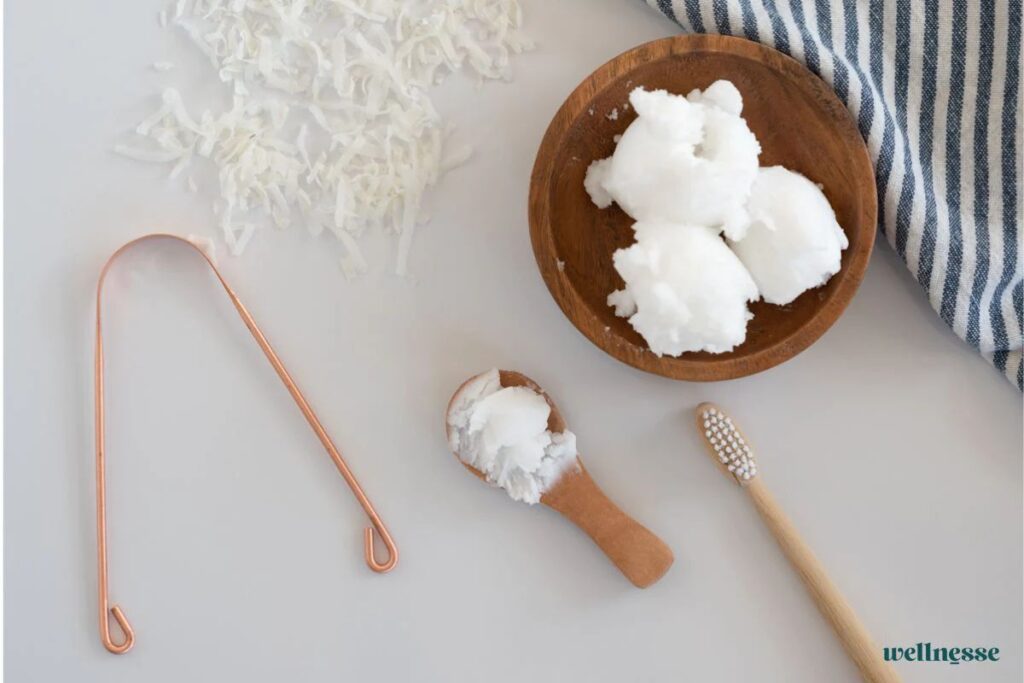
It is a common belief that oral health serves as a gateway to general health. This implies that oral health significantly impacts the general health and wellbeing of an individual. Dental diseases have detrimental effects on the functionality and quality of life of individuals. In addition, a strong relationship has been established between various oral and systemic diseases. In fact, the prevention and treatment of dental caries and periodontal disease have been shown to reduce the risk of diabetes and heart disease significantly. The use of oil pulling can be frequently found in ancient medical text and is supported by recent studies for its efficacy and long-term use for maintaining and improving oral health.
The oral cavity serves as a focal point of entry for pathogens into the systemic circulation. While the host immune system of a healthy individual prevents the body from virulent microorganisms, a breach in the physical barriers in the oral cavity may provide access to into the systemic circulation. Similarly, a lack of oral hygiene allows an increase in virulent microbial colonization of the oral biofilm. Therefore, mechanical and chemical means of controlling the quantity and quality (virulence) of the oral biofilm is important in preventing systemic diseases and particularly periodontal diseases such as gingivitis and periodontitis (1).
Oil is pulling or oil swishing is the ayurvedic way of maintaining oral health and improving overall immune system. Oil pulling also acts as an excellent detoxifying agent in healing the body inside. It is a widely accepted fact that most of the diseases start because of the unhealthy mouth. Most of the chronic illness are directly related to an unhealthy mouth like gum disease or tooth decay. As per Ayurveda – Oil pulling is incredibly effective in brightening teeth, healing gums, preventing bad breath, quenching inflammation, and healing oral infections. For example – Brushing is contra indicated in the cases of mouth ulcer, fever, indigestion, those who have tendency to vomit, asthma, cough, thirst. Oil pulling can be used to clean the oral cavity in all these cases (2).
Gundusha and Kavala Graha are two primary oral cleansing techniques used in Ayurveda; as a specialized therapy to treat as well as to prevent oral diseases. Gundusha involves filling the mouth completely with fluid so that gargling is impossible. In Gundush, the oral cavity is filled completely with liquid medicine, held for about 3-5 minutes, and then released. In Kavala Graha, a comfortable amount of fluid is retained with the mouth closed for about 3 minutes and then gargled. It is a simple rejuvenating treatment, which, when done routinely, enhances the senses, maintains clarity, brings about a feeling of freshness, and invigorates the mind. These oral cleansing techniques can also benefit bad breath, dry face, dull senses, exhaustion, anorexia, loss of taste, impaired vision, sore throat, and all kapha related imbalances (9).
This article – highlights the importance of incorporating oil pulling as a component of daily oral hygiene which can significantly improve oral and general health.
What is Oil Pulling?
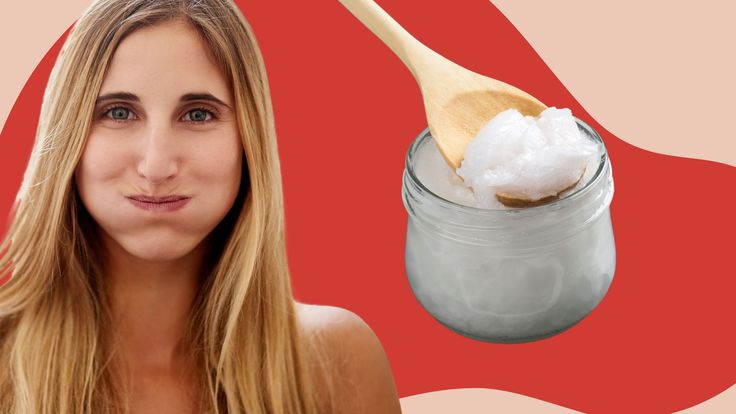
Oil pulling, in CAM (Complementary and Alternative Medicine), is a technique that involves vigorous swishing of oil in the mouth, to achieve oral and systemic health benefits, like the modern-day use of mouthwashes and oral rinses. It is a powerful detoxifying Ayurvedic technique that has recently become very popular as a CAM remedy for many different health ailments. In the Ayurvedic text “Charaka Samhita,” it is mentioned as Kavala or Gundusha and is claimed to cure about 30 systemic diseases ranging from headache, migraine to diabetes and asthma (1).
It has been used for centuries for the treatment and prevention of various oral and systemic diseases, using edible oils derived from either sunflower, sesame, or coconut. Oil pulling has been used extensively as a traditional Indian folk remedy for many years to prevent tooth decay, oral malodor (bad breath), bleeding gums, dryness of throat, cracked lips and for strengthening teeth, gums and the jaw (1).
In addition to brushing your teeth, flossing, and scraping your tongue, oil pulling with sesame or coconut oil is a safe and effective bonus to a healthy oral hygiene routine. It helps in rebalancing oral microbiome and improving oral and dental health. Ayurveda advises oil gargling to purify the entire system; as it holds that each section of the tongue is connected to different organ such as to the kidneys, lungs, liver, heart, small intestines, stomach, colon, and spine, similarly to reflexology and TCM (9).
Scientific evidence suggests that oil pulling therapy may reduce the total oral bacterial count and reduce plaque and gingival scores. Furthermore, it has also shown to diminish the susceptibility to dental caries from marked to slight or moderate level (1).
How does Oil Pulling work? (Mechanism of action)
Both Western medicine and Ayurveda use the tongue as an important diagnostic tool, indicating that a healthy mouth and a healthy tongue are interrelated with the health of the entire body. Thus, supporting our oral hygiene is a benefit for both our dental and general health (3).
In fact, our mouths host over 600 different species of bacteria that populate the teeth, tongue, soft tissues of the cheeks and palates, and our tonsils. The oral cavity further adjoins the esophagus, nasal passages, sinuses, and the intricate ear cavities. You can see why bacteria in the mouth is a big deal! (3)
Many of these bacteria are necessary for a healthy oral microbiome, but some, such as Streptococcus mutans, can cause problems if left unchecked—tooth decay, bad breath, gingivitis, and strep throat, to name a few. Poor oral hygiene can allow harmful bacteria to flourish, leading to various oral health issues (1, 3).
Bacteria are single-celled organisms, enclosed by a lipid membrane. These bacteria in the mouth are attracted to the lipid structure of the oil, pulled from the oral tissue by adhering to the fat molecules of the oil, then flushed away through the act of swishing oil and spitting it out. This process helps in reducing harmful oral bacteria and killing harmful bacteria that contribute to plaque buildup and gum disease (3).
While there are numerous theories, the exact mechanism of action is unclear. One theory speculates a mechanism involving alkali hydrolysis of fat, resulting in saponification or “soap making” process. Since the oils used for oil pulling contain fat, the alkali hydrolysis process emulsifies the fat into bicarbonate ions, normally found in the saliva. Soaps which are effective cleaning agents blend in the oil, hence increasing the surface area of the oil, and in turn increasing the cleansing action. Another theory suggests that the viscous nature of the oil inhibits plaque accumulation and adhesion of bacteria. Furthermore, the third theory hypothesizes that the antioxidants present in the oil cause detoxification by preventing lipid peroxidation, resulting in an antibiotic-like effect. Thus, helping in the destruction of microorganisms and potentiating the action of Vitamin E in the oral cavity (1).
How to do Oil Pulling?
Here are a few simple steps to follow for oil pulling. It is best incorporated in the morning, upon rising, and on an empty stomach, as it helps to stimulate the appetite and enhance the sense of taste.
Some suggest swishing before tooth brushing, while others suggest brushing before swishing. Dr. Mark Burhenne, from Ask the Dentist, says, “If you brush after you pull, you’ll actually get rid of the good bacteria you just worked to support.” With this in mind, brushing then swishing may be best (4).
- Step 1 – Start by putting one tablespoon of oil in your mouth – Sesame or Coconut as per your preference.
- Step 2 – Swish it vigorously in your mouth between teeth and gums for about 2 to 5 mins. Ayurveda suggests following the procedure for 15 to 20 mins but not everyone can pull that off. Therefore, it is best to start with 1 to 2 mins and then work it up to this time frame.
- Step 3 – As the end of the oil pulling session approaches, you may notice the oil/saliva mixture in your mouth has turned milky white with thin consistency. This is because swishing the oil for the recommended duration in the oral cavity changes the viscosity of the oil.
- Step 4 – Spit out the oil in the trash or toilet, rather than down the drain, to avoid clogging the drain. Swallowing the oil should be avoided as it may have toxins and bacteria, which are harmful to general health.
- Step 5 – Rinse your mouth with warm water.
The practice should preferably be performed 3 times daily for acute diseases. While there are no suggested contraindications, it is not advisable for children below the age of 5 years to perform oil pulling (1).
Types of oil commonly used for oil pulling
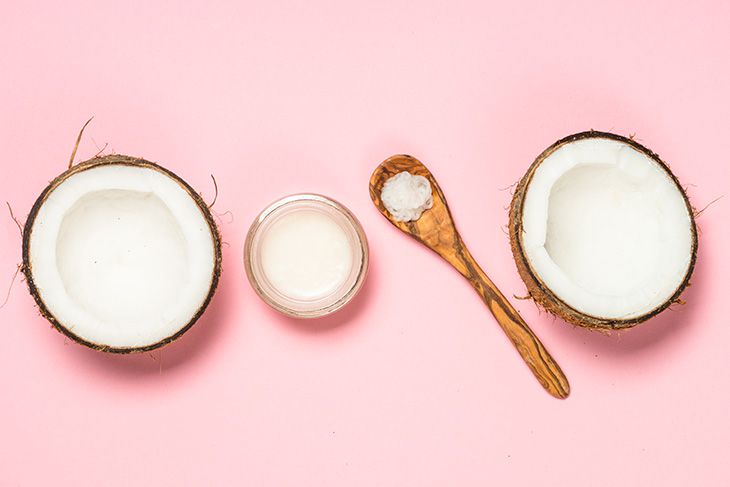
- Sesame oil – Sesame oil contains three lignans (sesamin, sesamolin, and sesaminol). These lignans contain Vitamin E and polyunsaturated fatty acids. In addition, linoleic acid and oleic acid are also major components of sesame oil. The components of sesame oil possess antioxidative properties that reduce lipid peroxidation by diminishing the free radical injury to oral tissues (1,2,3).
Function and chemical composition of sesame oil (ref 1)
- Coconut oil – Coconut oil is composed of 92% saturated acids, with lauric acid making up for 50% of these saturated acids. Monolaurin and monoglycerides of lauric acid have been identified to have antimicrobial activity against a range of microorganisms (1,2,3). These include Helicobacter pylori, Staphylococcus aureus, Escherichia vulneris, Enterobcater, and Candida species, including Candida glabrata, Candida albicans, Candida stellatoidea, Candida parapsilosis, Candida tropicalis, and Candida krusei and various viruses (1,2,3).
Chemical composition of coconut oil (ref 1)
Benefits of Oil Pulling

Oil pulling isn’t only good at preventing oral infections but can actively fight them as well. The oil pulls the infection (bacteria, toxins, and pus) out of the tissues, allowing the body to heal itself. Inflammation is quieted, gums stop bleeding, loose teeth tighten, and pain and sensitivity vanish. Teeth become whiter, and gums become pinker and healthier looking (1,2,3,4).
- Oil pulling may prevent Dental Caries – The oral cavity is always covered with a biofilm. The chemical and mechanical removal of the oral biofilm is important in maintaining the ecological equilibrium of the oral cavity and preventing the initiation of the carious process. An estimated 700 different species of bacteria are found in the oral microbiome, inhabiting the oral biofilm (1). Of these, bacitracin producing Streptococcus mutans and lactic acid producing Lactobacilli are the most common pathogens that cause dental caries. The demineralization process starts after the pH of plaque drops below the “critical value” (5.5 for hydroxyapatite, 4.5 for fluorapatite, and 6.7 for cementum), causing disintegration of the calcium phosphate ions in the hydroxyapatite crystals. The demineralized form of enamel is known as dental caries (1).
Oil pulling is shown to have antibacterial activity against C. albicans and S. mutans using coconut oil, while sesame oil also has similar activity against S. mutans and Lactobacilli. Following a 40-day regimen of oil pulling, an average reduction of 20% was observed in the total microbial count in the oral cavity. Similarly, another study testing the susceptibility to dental caries before and after oil pulling showed that in 50% of the subjects the susceptibility was reduced from “marked” to “slight.” Whereas, in the other 50% of the subjects the susceptibility reduced from “marked” to “moderate.” (1)
- Oil pulling reduces the risk of Plaque-induced gingivitis – Plaque-induced gingivitis is one of the most common types of gingival disease caused due to the interaction of microorganisms in the plaque biofilm with the inflammatory cells of the host. A recent randomized controlled trial showed a significant decrease in modified gingival index scores and plaque scores following oil pulling therapy when compared to chlorhexidine group. Another study also showed a reduction in plaque scores following 45 days of oil pulling therapy with sunflower oil. The plaque scores reduced by 18-30%, whereas gingivitis decreased by 52-60%. Furthermore, evidence from both clinical and biological assessments showed that oil pulling was effective against plaque-induced gingivitis.
- Oil pulling alleviates Halitosis (bad breath) – Halitosis or bad breath (aka oral malador) is a common problem that can often cause social embarrassment. The malodor is produced from volatile sulfide compounds especially dimethyl sulfide, hydrogen sulfide, and methyl mercaptan, originating from the proteolytic degradation of the peptides present in food debris, saliva, plaque, and desquamated epithelial cells. Gram-negative proteolytic bacteria responsible for periodontitis and gingivitis are also known to produce sulfide compounds (1,8). Oil pulling therapy using sesame oil was found to be as effective against halitosis and associated pathogens, as chlorhexidine rinses which are considered a gold standard. Moreover, oil pulling is also more cost-effective than chlorhexidine, with no associated side effects like allergic reactions, and mucosal staining following prolong use (1,8).
A randomized 3 week-controlled trial conducted among 60 students of three hostels – concluded that Oil pulling with sesame oil is equally efficacious as chlorhexidine in reducing oral malodor and microbes causing it. The saponification and emulsification process during oil pulling is responsible for cleansing action of sesame oil. It also generates antioxidants which kill microbes and cause their cell wall damage. It should be promoted as a preventive home care therapy (8).
- Oil pulling reduces Oral thrush symptoms – Oral thrush or oral candidiasis is a non-contagious fungal infection caused by Candida species. It is commonly seen in individuals taking medications that may alter the oral microflora over extended periods. Denture wearers, patients undergoing prolonged antibiotic treatment or using inhaled corticosteroid for asthma, and patients undergoing chemotherapy or radiotherapy reportedly have a higher incidence of oral candidiasis. Evidence suggests that oil pulling therapy improves symptoms of oral thrush in two ways. First, it traps or pulls the toxins and other pathogens during oil swishing and therefore aids in the mechanical removal of the pathogens from the oral cavity. Second, the antifungal properties of the oils used, particularly coconut oil, kills the yeast in the oral cavity and therefore plays a role in eliminating the candida pathogens (1).
- Healthy Sinuses – While this is one area where clinical studies are limited, there is some anecdotal evidence suggests that oil pulling benefits sinus health. Given the relationship of the oral cavity to the surrounding tissues, including the sinuses, it stands to reason that maintaining healthy bacteria in the mouth would influence these tissues through this traditional practice. Oil pulling is also said to increase circulation of the oral tissues, perhaps bringing support to the sinus tissue as well (3).
Systemic Effects
The benefits of oil pulling are not limited to the oral cavity. In fact, according to ancient Indian Ayurveda text, oil pulling can be used for the prevention and treatment of more than 30 different diseases, which vary from:
- headaches
- migraines
- intestinal infections
- thrombosis
- eczema
- diabetes
- asthma
- chronic skin problems
- stop the growth of malignant tumors
Systemic effects of oil pulling (ref 1)
Advantages of Oil Pulling
Oil pulling is cheap; the only expense is for the oil you use. It is very easy; you simply swish oil in your mouth. Compared to other forms of detoxification it is relatively effortless. It doesn’t require dieting, fasting, or consuming unpleasant, and often bowel loosening mixes of herbs and pills. And it is completely harmless. It is claimed to have advantages over commercial mouthwashes since it causes no staining, has no lingering aftertaste, causes no allergic reactions and is readily available in the household (1,2).
Comparison between oil pulling and chlorhexidine mouthwashes (ref 1)
Conclusion
Oil pulling therapy is a form of ayurvedic procedure that promotes good oral and systemic health through incorporating the use of oil based oral rinses in the daily oral hygiene routine. Numerous studies have been conducted recently supporting this ancient technique for its health benefits. For modern day practices, oil pulling can be suggested for adjunct use, with tooth brushing and flossing, to maintain the standard oral health care. In developing countries and rural communities, access to oral care is minimal, and the use of toothbrushes, toothpaste, and mouthwashes are still not accessible in all cases, therefore oil pulling can serve as an affordable option and improve oral health outcomes.
Also, Oral healthcare is an essential part of general health. Foreign bodies and bacteria in the mouth have been related to gingivitis and periodontitis and systemic diseases. Thus, in the midst of growing evidence of the connection between oral health and systemic health, herbal medicines with their “naturally occurring” active ingredients offer a gentle and enduring way for the restoration of health in the most trustworthy and least harmful way. Since hospitalized, dependent, ill patients are more prone to oral diseases and discomfort, special oral care has to be taken in such patients. Antiplaque and antimicrobial mouth rinses used thus far in periodontal practice contain either alcohol or sugar. These ingredients enhance the cariogenic potential of the substrate and promote halitosis. Thus, by the use of an herbal mouth rinse, the inclusion of these ingredients and their obvious untoward effects may be avoided. This may improve oral hygiene.
References
- Naseem M, Khiyani MF, Nauman H, Zafar MS, Shah AH, Khalil HS. Oil pulling and importance of traditional medicine in oral health maintenance. Int J Health Sci (Qassim). 2017 Sep-Oct;11(4):65-70. PMID: 29085271; PMCID: PMC5654187.
- Tomar, Poonam, Sudheer Hongal, Manish Jain, Kuldeep Rana, and Vrinda Saxena. “Oil pulling and oral health: A review.” IJSS Case Report & Reviews 1, no. 3 (2014): 33-37.
- Banyan Botanicals. Oil Pulling 101: How to Oil Pull & the Science Behind It
- Burhenne. “The Ultimate Guide to Oil Pulling: Benefits, How-To, and Everything Else.” Ask the Dentist. March 07, 2019. Accessed April 18, 2019. https://askthedentist.com
- Huang CB, Alimova Y, Myers TM, Ebersole JL. Short- and medium-chain fatty acids exhibit antimicrobial activity for oral microorganisms. Arch Oral Biol. 2011 Jul;56(7):650-4. doi: 10.1016/j.archoralbio.2011.01.011. Epub 2011 Feb 17. PMID: 21333271; PMCID: PMC3119748.
- Naiktari RS, Dharmadhikari C, Gurav AN, Kakade S. Determining the antibacterial substantivity of Triphala mouthwash and comparing it with 0.2% chlorhexidine gluconate after a single oral rinse: A crossover clinical trial. J Indian Soc Periodontol. 2018 Nov-Dec;22(6):498-502. doi: 10.4103/jisp.jisp_265_18. PMID: 30631228; PMCID: PMC6305101.
- Naiktari RS, Gaonkar P, Gurav AN, Khiste SV. A randomized clinical trial to evaluate and compare the efficacy of triphala mouthwash with 0.2% chlorhexidine in hospitalized patients with periodontal diseases. J Periodontal Implant Sci. 2014 Jun;44(3):134-40. doi: 10.5051/jpis.2014.44.3.134. Epub 2014 Jun 5. PMID: 24921057; PMCID: PMC4050230.
- Sood P, Devi M A, Narang R, V S, Makkar DK. Comparative efficacy of oil pulling and chlorhexidine on oral malodor: a randomized controlled trial. J Clin Diagn Res. 2014 Nov;8(11):ZC18-21. doi: 10.7860/JCDR/2014/9393.5112. Epub 2014 Nov 20. PMID: 25584309; PMCID: PMC4290321.
- Singh A, Purohit B. Tooth brushing, oil pulling and tissue regeneration: A review of holistic approaches to oral health. J Ayurveda Integr Med. 2011 Apr;2(2):64-8. doi: 10.4103/0975-9476.82525. PMID: 21760690; PMCID: PMC3131773.