
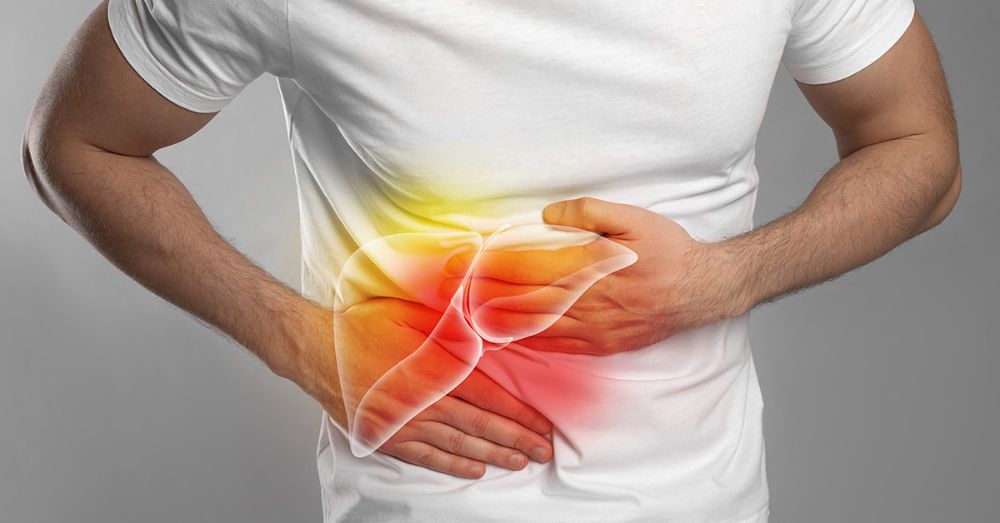
What is a Fatty Liver Disease?
Fatty liver disease, particularly Nonalcoholic Fatty Liver Disease (NAFLD), is a widespread metabolic condition impacting millions worldwide. Emerging research highlights not only the role of bacteria but also fungi, especially Candida species, in influencing liver health. This blog explores how Candida overgrowth may be linked to fatty liver and what it means for your health.
Note – NAFLD is now called MASLD (Metabolic Dysfunction Associated Steatotic Liver Disease) as it is linked to metabolic issues like obesity, diabetes, and high cholesterol, characterized by fat buildup in the liver.
What is Candida Overgrowth?
Candida is a type of yeast that naturally lives in the gut, mouth, and other parts of the body. Under normal conditions, it coexists peacefully with the body’s microbial community. However, when Candida grows excessively—a condition known as Candida overgrowth—it can disrupt gut balance, potentially leading to digestive issues, immune dysfunction, and increased intestinal permeability (leaky gut).
Interactions between intestinal fungal community (aka. mycobiome) and liver are anatomically and functionally bidirectional as explained below:
- Antigens derived from the gut commensal fungi can cross the gastrointestinal barrier and be transported via the portal vein to the liver, thus having an impact on its function. The immune cells in the liver can contribute to the host homeostasis through immune responses to the intestinal fungi (1,2). Thus, it has become apparent that gut mycobiome has a profound influence in modulating local as well as peripheral immune responses.
- However, like bacteria, fungi can be beneficial to host immunity. But they may also have deleterious effects (1,3) when the host immune system is compromised, or repeated rounds of antibiotics are used (4). This causes changes in the composition of the intestinal microbiota, promoting a series of liver diseases through the “entero-hepatic axis.”
Candida’s role in Fatty Liver Pathology
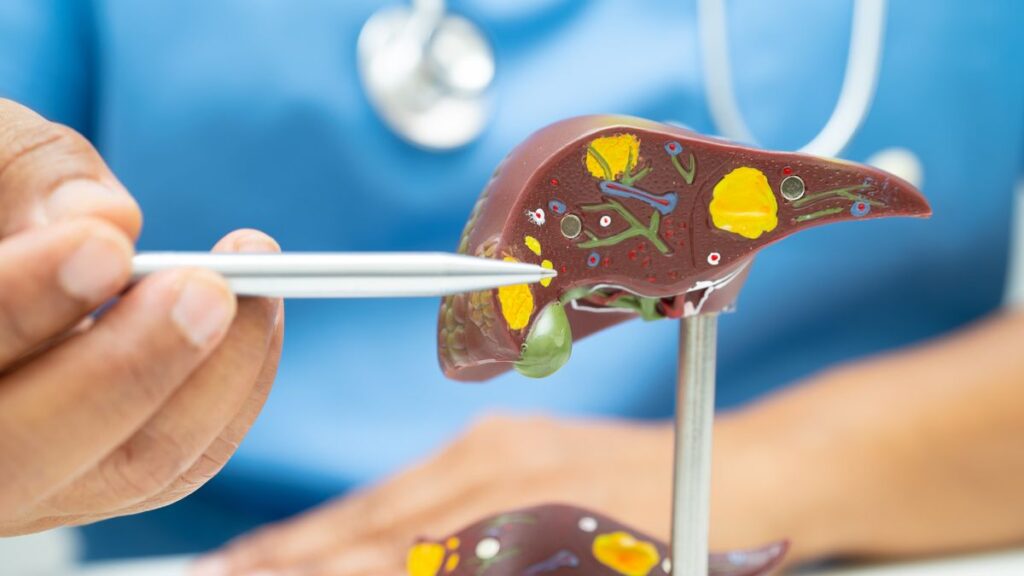
Candida overgrowth is linked to fatty liver disease – alcoholic fatty liver disease -ALD (5) and non-alcoholic fatty liver disease – NAFLD (1) through mechanisms involving inflammation and immune response triggered by fungal components. A study (5) observed that alcohol-dependent patients displayed reduced intestinal fungal diversity and Candida overgrowth. Compared with healthy individuals and patients with non–alcohol-related cirrhosis, alcoholic cirrhosis patients had increased systemic exposure and immune response to mycobiota (1). Candida albicans and other fungi are found enriched in the gut microbiota of people with NAFLD, especially those with inflammation and advanced fibrosis (1). Inflammation is known to play a major role in the progression of NAFLD and NASH. Liver immune cells when exposed to fungal antigens and fungi derived metabolites elicit anti-inflammatory cytokines and chemokines, some of which can lead to liver damage (1,2). The fungal cell wall polysaccharide β-glucan can induce chronic liver inflammation by continuously activating the cellular inflammasome pathway leading to hepatocyte (liver cells) damage (1,5).
Even though the association is evident, researchers caution that Candida may not directly cause fatty liver but that both conditions share overlapping mechanisms of gut barrier dysfunction and immune dysregulation as explained below:
- Gut Dysbiosis and Leaky Gut: Candida overgrowth alters the gut microbiome and damages the intestinal barrier. This allows fungal toxins, such as acetaldehyde and fungal cell wall components (like 1,3-β-glucan) to enter the bloodstream and reach the liver via the portal vein.
- Immune Activation and Liver Inflammation: The 1,3-β-glucan from fungal cell wall enters the liver via portal vein through the damaged intestinal mucosa and binds to CLEC7A on the surface of the liver Kupffer cell, then stimulates the Kupffer cell to secrete inflammatory cytokines like interleukin-1β (IL-1β). This immune activation causes liver inflammation, contributing to steatosis (fatty buildup) and liver cell injury (5,9).
Clinically, many individuals with recurrent candida infections or overgrowth also have fatty liver issues, suggesting that candida-related gut dysbiosis and leaky gut can impair liver function and the immune system. Candida may also activate NF-kB-mediated inflammatory pathways affecting insulin resistance and lipid metabolism, which are key drivers in NAFLD development.
Research also shows increased systemic antibodies against Candida in patients with advanced fatty liver fibrosis. In this regard, Demir et al. examined the anti-C. albicans IgG antibodies in plasma samples of NAFLD and controls and found significantly higher IgG levels in NAFLD patients with advanced liver fibrosis. The authors assume that this probably indicates increased immune response to Candida albicans either due to the increased abundance of intestinal C. albicans or the relatively more frequent systemic exposure to C. Albicans (1,7).
- Toxin Production: Candida produces metabolites that may induce oxidative stress and exacerbate liver damage. It produces toxins such as acetaldehyde (9) that may cause systemic symptoms and candidalysin (6) that may promote alcohol associated liver disease. (see examples below)
- Metabolic Effects: Candida can worsen insulin resistance and lipid metabolism abnormalities, both of which are key drivers in the progression of fatty liver disease. Studies show that many people with Candida overgrowth also present with fatty liver or related symptoms like chronic fatigue, mental fogginess, and digestive disturbances.
Chronic consumption of alcohol (ethanol) increases the fungal population and causes dysbiosis of the mycobiota in the intestine (right). The fungal dysbiosis results in higher amounts of β-glucan translocating across a damaged gut barrier to the liver (left). Increased β-glucan binds to CLEC7A on hepatic Kupffer cells and induces the expression and secretion of IL-1β. This cytokine contributes to ethanol-induced liver inflammation, hepatocyte injury, and steatosis. (Picture taken from reference 5)
Association of Intestinal Fungi and Alcoholic liver disease (ALD)
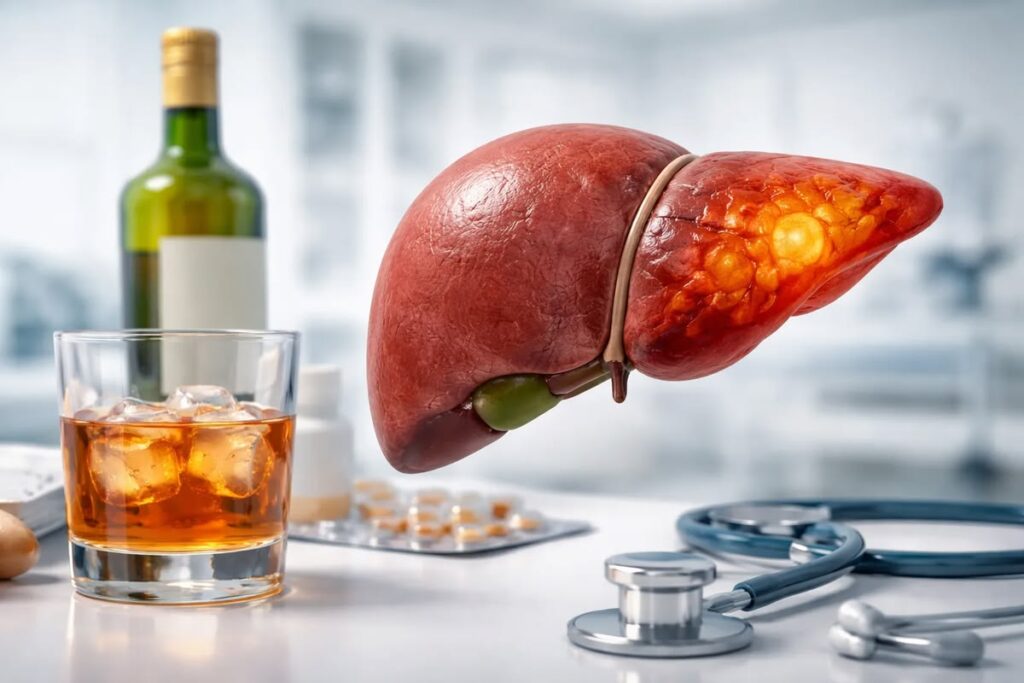
Chronic alcohol consumption is a well-known factor of increased intestinal permeability, and changes in the intestinal microbiota composition which may contribute to the development of alcohol related liver disease.
Liver acts as a metabolic site for alcohol, when the body excessively consumes alcohol for a long time and exceeds the metabolic load of the liver, it can cause liver damage through multiple routes, and constantly develop into alcoholic fatty liver, alcoholic hepatitis, alcoholic cirrhosis and even liver cancer (9,10,11).
In ALD, increased ethanol and its metabolite acetaldehyde in the intestinal lumen cause weakening of intestinal tight junctions. Consequently, increased translocation of microbial-associated molecular patterns (MAMPs) and gut metabolites, such as acetaldehyde, acetate, elicits intestinal and hepatic inflammatory responses, leading to progressive liver damage (9,10,11).
Alcoholic liver disease has already been linked to a decrease in fungal diversity along with Candida overgrowth independent of stages of ALD (5). In line with this study, Demir et al. have shown that NAFLD patients with advanced liver disease were mainly characterized by increased Mucor spp., whereas patients with advanced ALD fibrosis were characterized by increased Blumeria, Candida and Debaryomyces spp., indicating that specific changes in fecal mycobiome could be attributed to different liver disease (ALD or NAFLD) etiologies (7). Based on a mature mouse model of ALD, Yang et al. have already suggested that the main pathogenic mechanism for mycobiota associated progression of liver disease may be an increase in intestinal fungal populations, suggesting that manipulation of the intestinal mycobiome could attenuate alcohol related liver disease (ALD) (9,5).
• Clinical Study 1 – (from reference 6) Candidalysin (6) is a fungal exotoxin secreted by Candida albicans. Candidalysin causes direct damage to liver cells (hepatocytes) and enhances ethanol-induced liver disease; independent of the β-glucan receptor CLEC7A on bone-marrow derived cells in mice.
A study by Chu H et al. (6) evaluated the contributions of Candida albicans and its exotoxin Candidalysin on ethanol induced-liver disease in mice. The data indicated that Candidalysin does not increase intestinal permeability or intestinal epithelial cell damage in mice fed ethanol. It’s the chronic ethanol diet that is associated with increased intestinal permeability (6,8). Thus, most likely Candidalysin produced in the intestinal lumen reaches the liver via increased intestinal permeability and exerts its effects on the liver. This study also confirmed that Candidalysin positive C. albicans could increase liver injury, steatosis and inflammation in mice fed ethanol diet, but this injurious effect is absent in mice fed control diet. (ref). Thus, indicating a direct role of Candidalysin on ethanol-induced liver disease and its association with higher mortality in mice.
- Furthermore, the same study (6) examined whether Candidalysin is related with the severity and mortality of alcoholic hepatitis in patients with alcohol use disorder. The study showed that patients with alcohol use disorder have higher intestinal proportions of C. albicans and increased Fecal levels of C. albicans and ECE1(Candidalysin coding gene) in patients with alcoholic hepatitis. Thus, highlighting that the Fecal positivity for the Candidalysin coding gene ECE1 is associated with more severe disease and mortality in alcoholic hepatitis patients.
Picture taken from Reference 6 – displays how Candidalysin enter the liver via portal vein and triggers an immune reaction causing damage to hepatocytes or liver cells.
Association of Intestinal Fungi and Non-Alcoholic Liver Disease (NAFLD)
Clinical Study 2 – (from reference 7)
Demri M et al. characterized fecal fungi in patients with non-alcoholic fatty liver disease (NAFLD) and investigated their role in a fecal mycobiome-humanized mouse model of Western diet-induced steatohepatitis.
Method – They performed fungal internal transcribed spacer 2 sequencing using fecal samples from 78 NAFLD patients, 16 controls and 73 patients with alcohol use disorder (AUD). Anti-Candida albicans (C. albicans) IgG was measured in blood samples from 17 controls and 79 NAFLD patients. Songbird, a novel multinominal regression tool, was used to investigate mycobiome changes. Germ-free mice were colonized with feces from patients with non-alcoholic steatohepatitis (NASH), fed a Western diet for 20 weeks and treated with the anti-fungal amphotericin B.
Findings – To investigate specific compositional changes among groups, they performed differential multinomial regression analyses using Songbird, which was developed to overcome the limitation of comparing relative abundance across samples (7). This analysis was adjusted for age, gender, BMI, type 2 diabetes, PPI use and alcohol consumption as potentially confounding factors and included all the detected 120 fungal taxa. Specific taxa such as Candida albicans (C. albicans), Mucor sp., Cyberlindnera jadinii, Penicillium sp., unknown Pleosporales, Babjeviella inositovora and Candida argentea were associated with the presence of NASH whereas unknown Saccharomycetales and Malassezia sp. were associated with NAFLD.
They observed a different fecal mycobiome composition in NAFLD patients with advanced fibrosis as compared with AUD (Alcohol Use Disorder) patients and advanced fibrosis. For non-obese NAFLD patients with more severe fibrosis (F2–F4 stages), Mucor spp and Candida albicans were among others associated positively with F2–F4 fibrosis (1,7).
Plasma anti-C. albicans IgG was increased in NAFLD patients with advanced fibrosis. Gnotobiotic mice, colonized with human NASH feces and treated with amphotericin B were protected from Western diet-induced steatohepatitis.
Conclusion – Non-obese NAFLD patients with more advanced disease have a different fecal mycobiome composition than non-obese NAFLD patients with mild disease. Antifungal treatment ameliorates diet-induced steatohepatitis in mice. Intestinal fungi could be an attractive target to attenuate NASH.
This picture summarizes that Specific Metabolic Pathways and Mediators, an Intact gut Barrier and Bacterial-Fungal Interactions may play an important role in this process. (Picture taken from reference 1)
What this means for You?
Managing Candida overgrowth can support liver health by restoring gut balance and reducing systemic inflammation. Strategies include dietary adjustments to reduce sugars and refined carbohydrates (which feed yeast), probiotics, antifungal treatments when appropriate, and lifestyle changes that support immune function.
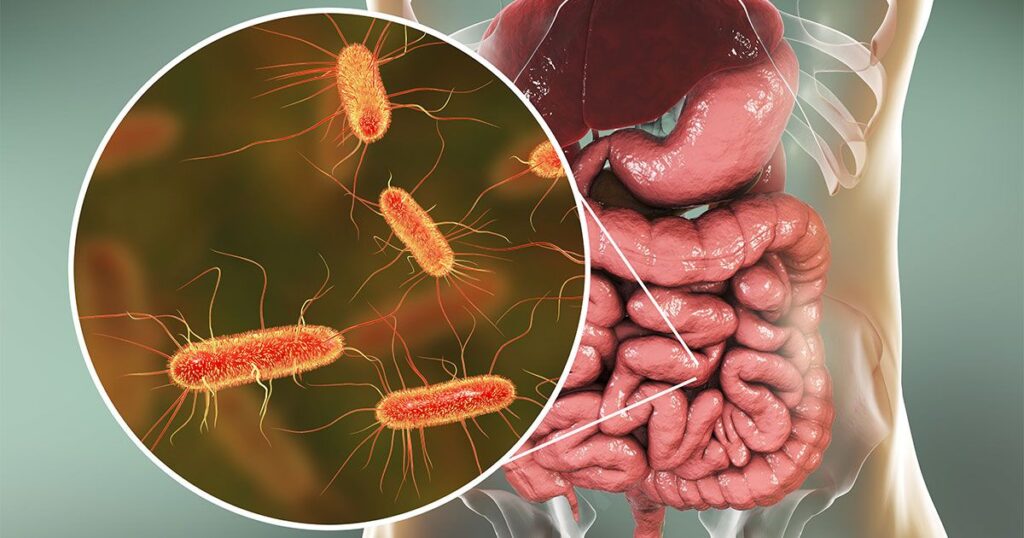
If you suspect Candida overgrowth or fatty liver disease, consult us at info@gutbrainhealing and we can guide proper testing and comprehensive management.
References:
- Fotis D, Liu J, Dalamaga M. Could gut mycobiome play a role in NAFLD pathogenesis? Insights and therapeutic perspectives. Metabol Open. 2022 Mar 14;14:100178. doi: 10.1016/j.metop.2022.100178. PMID: 35308892; PMCID: PMC8927988.
- Zeng S., Schnabl B. Roles for the mycobiome in liver disease. Liver Int. 2022:1–13. doi: 10.1111/liv.15160. 00.
- Jiang L., Stärkel P., Fan J.G., Fouts D.E., Bacher P., Schnabl B. The gut mycobiome: a novel player in chronic liver diseases. J Gastroenterol. 2021;56(1):1–11. doi: 10.1007/s00535-020-01740-5.
- Dollive S, Chen YY, Grunberg S, et al. Fungi of the murine gut: episodic variation and proliferation during antibiotic treatment. PLoS One. 2013;8:e71806. doi: 10.1371/journal.pone.0071806.
- Yang A.M., Inamine T., Hochrath K., Chen P., Wang L., Llorente C., Bluemel S., Hartmann P., Xu J., Koyama Y., Kisseleva T., Torralba M.G., Moncera K., Beeri K., Chen C.S., Freese K., Hellerbrand C., Lee S.M., Hoffman H.M., Mehal W.Z., Garcia-Tsao G., Mutlu E.A., Keshavarzian A., Brown G.D., Ho S.B., Bataller R., Stärkel P., Fouts D.E., Schnabl B. Intestinal fungi contribute to development of alcoholic liver disease. J Clin Invest. 2017;127(7):2829–2841. doi: 10.1172/JCI90562.
- Chu H, Duan Y, Lang S, Jiang L, Wang Y, Llorente C, Liu J, Mogavero S, Bosques-Padilla F, Abraldes JG, Vargas V, Tu XM, Yang L, Hou X, Hube B, Stärkel P, Schnabl B. The Candida albicans exotoxin candidalysin promotes alcohol-associated liver disease. J Hepatol. 2020 Mar;72(3):391-400. doi: 10.1016/j.jhep.2019.09.029. Epub 2019 Oct 10. PMID: 31606552; PMCID: PMC7031049.
- Demir M., Lang S., Hartmann P., Duan Y., Martin A., Miyamoto Y., Bondareva M., Zhang X., Wang Y., Kasper P., Bang C., Roderburg C., Tacke F., Steffen H.M., Goeser T., Kruglov A., Eckmann L., Stärkel P., Fouts D.E., Schnabl B. The fecal mycobiome in non-alcoholic fatty liver disease. J Hepatol. 2021 doi: 10.1016/j.jhep.2021.11.029. S0168-8278(21)02238-8.
- Bluemel S, Williams B, Knight R, Schnabl B. Precision medicine in alcoholic and nonalcoholic fatty liver disease via modulating the gut microbiota. Am J Physiol Gastrointest Liver Physiol. 2016;311(6):G1018–G36.
- You N, Zhuo L, Zhou J, Song Y, Shi J. The Role of Intestinal Fungi and Its Metabolites in Chronic Liver Diseases. Gut Liver. 2020 May 15;14(3):291-296. doi: 10.5009/gnl18579. PMID: 31554391; PMCID: PMC7234879.
- Schnabl B, Brenner DA. Interactions between the intestinal microbiome and liver diseases. Gastroenterology. 2014;146:1513–1524. doi: 10.1053/j.gastro.2014.01.020.
- Chen P, Stärkel P, Turner JR, Ho SB, Schnabl B. Dysbiosis-induced intestinal inflammation activates tumor necrosis factor receptor I and mediates alcoholic liver disease in mice. Hepatology. 2015;61:883–894. doi: 10.1002/hep.27489.