Ayurveda is to free the Mind which is trapped in the Body.
Yoga is to free the Soul which is trapped in the Mind.
- Baba Haridass

What Is Ayurveda?
“Samadoşa samāgni ca sama dhātu malakriyah
Prasanna ātma indriya manah svastha iti abhidhīyate”
Meaning – Ayurveda has defined a healthy person as one who has balanced doshas, agni (digestive fire), proper dhatus (tissues), and proper elimination of malas (waste products), along with a harmonious body and mind. On the contrary, excessive ama is the foundation of all diseases, and balancing it is the key to good health.
“Samadoşa samāgni ca sama dhātu malakriyah
Prasanna ātma indriya manah svastha iti abhidhīyate”
Meaning – Ayurveda has defined a healthy person as one who has balanced doshas, agni (digestive fire), proper dhatus (tissues),and proper elimination of malas (waste products), along with a harmonious body and mind. On the contrary, excessive ama is the foundation of all diseases, and balancing it is the key to good health.
“Samadoşa samāgni ca sama dhātu malakriyah
Prasanna ātma indriya manah svastha iti abhidhīyate”
Meaning – Ayurveda has defined a healthy person as one who has balanced doshas, agni (digestive fire), proper dhatus (tissues),and proper elimination of malas (waste products), along with a harmonious body and mind. On the contrary, excessive ama is the foundation of all diseases, and balancing it is the key to good health.
What Is Prakruti and Vikruti?
At the heart of Ayurveda lies the concept of Prakruti, which refers to an individual’s unique constitution or inherent nature. Prakruti is determined at the time of conception and remains constant throughout life, reflecting the combination of the three doshas—vata, pitta, and kapha—that govern bodily functions.
On the other hand, Vikruti refers to an individual’s current state, which may deviate from their original prakruti due to factors like stress, poor diet, or environmental influences. When vikruti strays too far from prakruti, it leads to imbalances, manifesting as physical or mental health issues.
Understanding prakruti and vikruti is key to Ayurvedic healing. By identifying one’s unique constitution and imbalances, Ayurveda provides personalized recommendations for diet, lifestyle, and treatments to restore harmony.
What Are Doshas—Vata, Pitta, and Kapha?
The balance of the doshas is health, and imbalance is disease. “
The balance of the doshas is health, and imbalance is disease.
The doshas are the three fundamental energies that govern all biological processes in the body and mind. They are derived from the five elements—earth, water, fire, air, and ether—and each dosha has specific qualities and functions:
Vata (Air + Ether)
- Qualities: Light, dry, cold, mobile, subtle
- Functions: Governs movement, including breathing, circulation, and the nervous system
- Imbalance Symptoms: Anxiety, insomnia, dry skin, constipation
- Balancing Strategies: Warm, grounding foods, regular routines, and calming practices like meditation

Pitta (Fire + Water)
- Qualities: Hot, sharp, oily, light, intense
- Functions: Governs digestion, metabolism, and transformation
- Imbalance Symptoms: Anger, acid reflux, inflammation, skin rashes
- Balancing Strategies: Cooling foods, stress management, and avoiding overwork

Kapha (Earth + Water)
- Qualities: Heavy, slow, steady, oily, cool
- Functions: Provides structure, stability, and lubrication
- Imbalance Symptoms: Weight gain, lethargy, depression, congestion
- Balancing Strategies: Light, spicy foods, physical activity, and stimulating routines

Knowing your dominant dosha can help you understand your physical and emotional tendencies enabling you to make informed choices for balance and well-being.
Mahagunas: Sattva, Rajas, and Tamas—Energies Present in Food and Their Impact on Mental State
Ayurveda emphasizes that the quality of food not only nourishes the body but also profoundly affects the mind. The three mahagunas (universal energies) are present in food and influence our mental and emotional state:

Sattva (Harmony and Clarity)
- Description: Represents purity, balance, and positivity.
- Foods: Fresh, organic fruits, vegetables, whole grains, and nuts.
- Mental Impact: Promotes calmness, focus, and spiritual growth.

Rajas (Activity and Restlessness)
- Description: Represents energy, passion, and movement.
- Foods: Spicy, salty, and processed foods, as well as stimulants like caffeine.
- Mental Impact: Can lead to hyperactivity, stress, and anxiety if consumed in excess.

Tamas (Inertia and Dullness)
- Description: Represents heaviness, lethargy, and decay.
- Foods: Stale, fried, or overly processed foods, and alcohol.
- Mental Impact: Promotes lethargy, confusion, and negativity.
Choosing sattvic foods helps maintain a balanced and peaceful mind, while excessive rajasic or tamasic foods can disturb mental harmony.
The Impact of Doshas, Prakruti, and Mahagunas on Diet, Nutrition, and Healing
Ayurveda recognizes that there is no one-size-fits-all approach to diet and nutrition. Each individual’s dosha, prakruti, and current imbalances guide personalized dietary recommendations.
1. For Vata: Warm, moist, and grounding foods like soups, stews, and cooked grains calm vata’s airy nature.
2. For Pitta: Cooling foods such as cucumbers, leafy greens, and coconut water help balance pitta’s fiery tendencies.
3. For Kapha: Light and spicy foods like ginger tea, lentils, and steamed vegetables stimulate kapha’s sluggishness.
The emphasis on seasonal eating and avoiding processed foods ensures that the body receives optimal nourishment, aiding in both prevention and healing of diseases. Moreover, incorporating sattvic foods promotes clarity, vitality, and overall well-being.
The Importance of Agni—Digestive Fire
All Disease occur due to Dysfunction of Agni. – Charaka
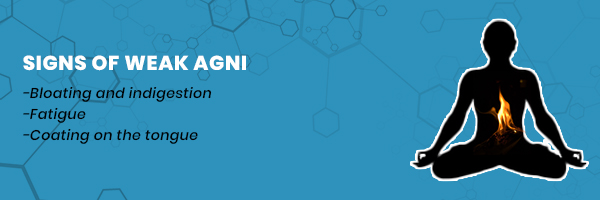
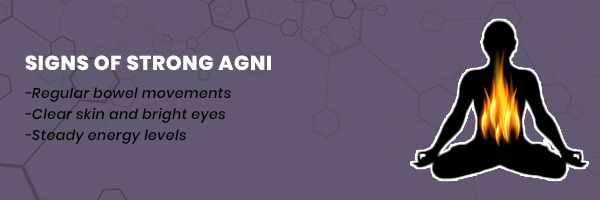
In Ayurveda, agni (digestive fire) is considered the cornerstone of health. A strong agni ensures proper digestion, nutrient absorption, and detoxification. Conversely, a weak or imbalanced agni leads to ama (toxins), which can accumulate in the body and cause diseases.
Ayurvedic practices for enhancing agni include:
- Eating meals at consistent times.
- Avoiding overeating or skipping meals.
- Incorporating digestive spices like ginger, cumin, and turmeric.
A strong agni not only improves physical health but also supports mental clarity and emotional stability.
Panchakarma: Detoxification and Rejuvenation
Panchakarma is Ayurveda’s premier detoxification and rejuvenation therapy. It is a five-step process designed to cleanse the body of toxins, restore balance, and enhance vitality.
The Five Steps of Panchakarma
1. Vamana (Therapeutic Emesis): Controlled vomiting to eliminate toxins from the stomach.
2. Virechana (Purgation): Cleansing the bowels using herbal laxatives.
3. Basti (Enema Therapy): Detoxifying the colon with herbal oils and decoctions.
4. Nasya (Nasal Therapy): Clearing toxins from the head and neck through medicated nasal drops.
5. Raktamokshana (Bloodletting): Removing toxins from the bloodstream, typically used for specific conditions.
Panchakarma is highly personalized, with therapies tailored to an individual’s dosha and imbalances. This practice not only detoxifies the body but also rejuvenates the mind and spirit, making it a cornerstone of Ayurvedic healing.

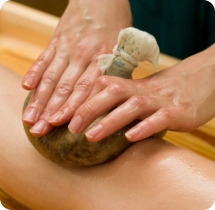

The Profound Impact of Ayurveda on Modern Lives
Reason To Choose Ayurveda
Ayurveda’s timeless principles of doshas, agni, and panchakarma offer profound insights into achieving balance and health in today’s fast-paced world. By understanding your prakruti and current imbalances, you can make informed choices about diet, lifestyle, and healing practices.
Incorporating Ayurvedic wisdom into your life can:
1. Enhance digestion and nutrient absorption.
2. Support mental clarity and emotional resilience.
3. Prevent chronic diseases by addressing root causes.
For those seeking holistic health solutions, Ayurveda provides a roadmap to not only treat illnesses but also prevent them by cultivating harmony in body, mind, and spirit.
If you’re curious about how Ayurveda can transform your well-being, consider scheduling a consultation with us. With personalized guidance and tools you can embark on a journey toward vibrant health and a balanced life.